 2026
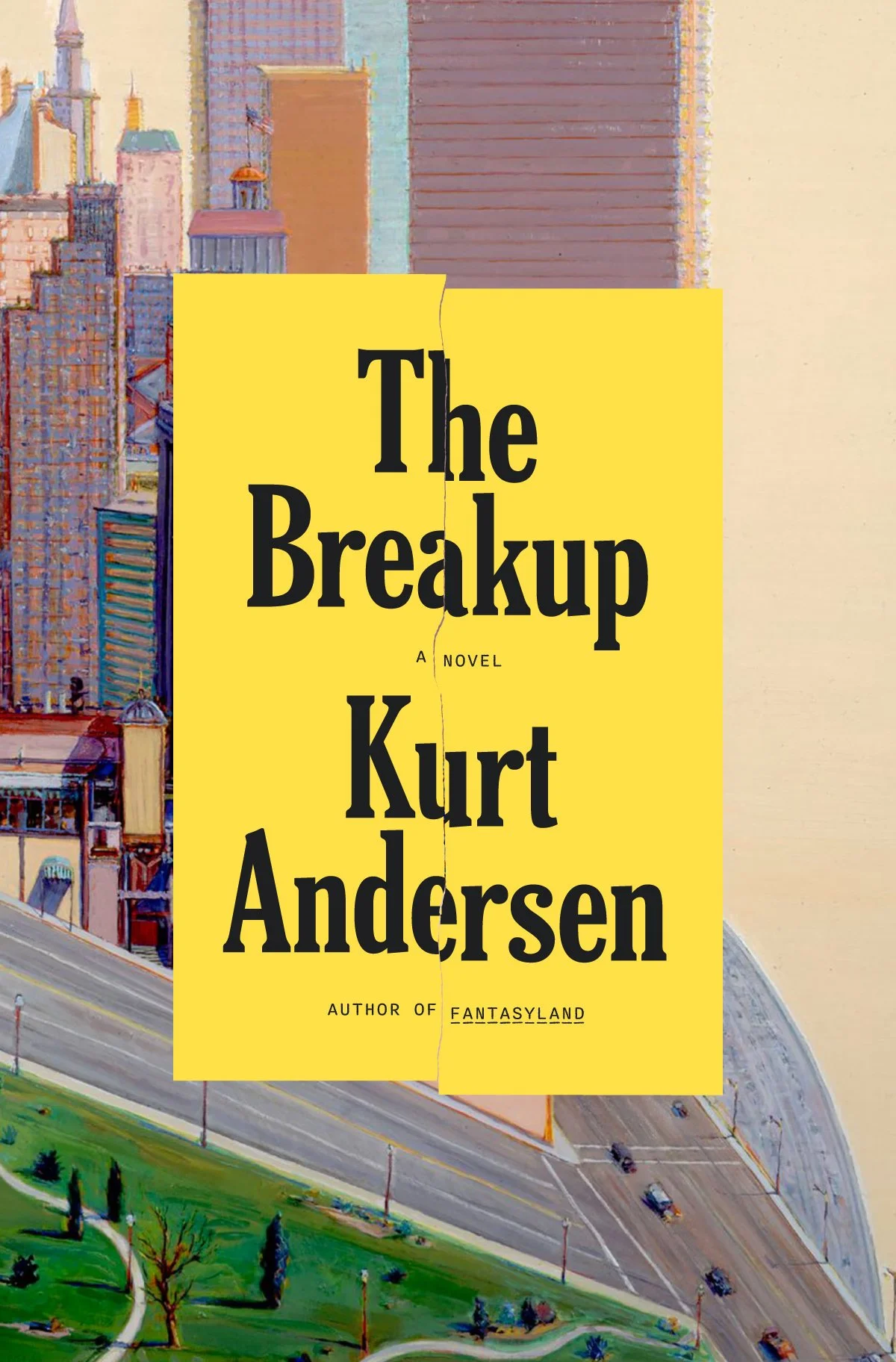
A novel set in 2045 America about a marriage cracking as the AI-drenched post-civil-war United States is finishing its breakup into two (or more) countries.
2026
A novel set in 2045 America about a marriage cracking as the AI-drenched post-civil-war United States is finishing its breakup into two (or more) countries.
Reviews, Press & Appearances
 2020
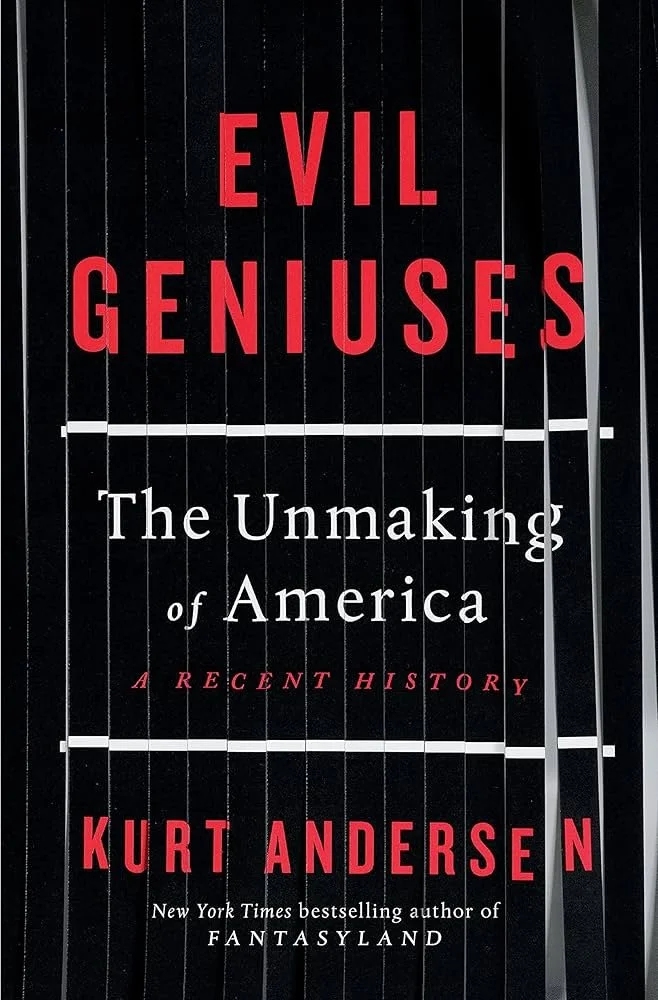
A history of how in the 1970s and 80s, big business and the right together hijacked America’s reasonably fair economic system so that ever since only the rich get richer and the American dream is harder than ever for most people to achieve.
2020
A history of how in the 1970s and 80s, big business and the right together hijacked America’s reasonably fair economic system so that ever since only the rich get richer and the American dream is harder than ever for most people to achieve.
“A work of towering importance. An essential, absorbing, infuriating, full-of-facts-you-didn’t-know book. A radicalized moderate’s moderate case for radical change” that “carefully, meticulously, overwhelmingly, argues through facts. As he makes this wide-ranging case, Andersen never loses the texture of actual human beings. He is a graceful, authoritative guide.”
Anand Giridharadas, The New York Times
“Elegantly written, full of insight, and ultimately optimistic, Evil Geniuses challenges America to do better, to be better. If you want to know why America is where it is and how it can change: this is your book. Above all Evil Geniuses is fun to read: it’s a romp. It educates and amuses. It challenges us too: keep the faith. Things really can get better.”
Justin Webb, the BBC
“The book is terrifically entertaining and engaging. The elements he is able to pull together and weave into a narrative that so convincingly pinpoints how we arrived at this moment are consistently novel and interesting.”
John Warner, The Chicago Tribune
“This is the one book everyone must read as we figure out how to rebuild our country. A triumph.”
Walter Isaacson
Reviews, Press & Appearances
 2017
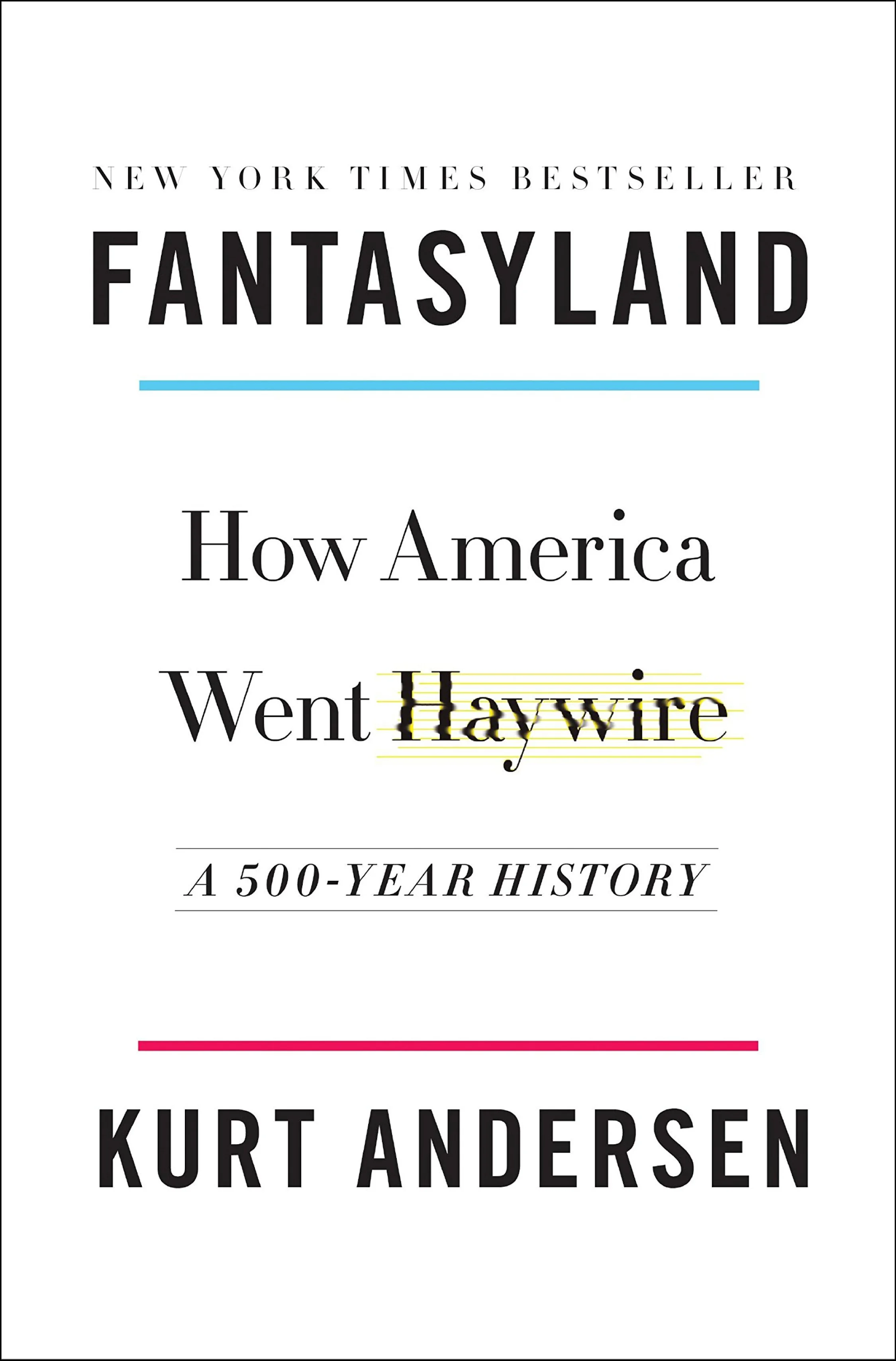
A groundbreaking deep history of our current post-truth era, how the blurring of reality and fiction went from a chronic American condition to acute, from the Pilgrims to P. T. Barnum to con-men to Disneyland to today’s right-wing politics.
2017
A groundbreaking deep history of our current post-truth era, how the blurring of reality and fiction went from a chronic American condition to acute, from the Pilgrims to P. T. Barnum to con-men to Disneyland to today’s right-wing politics.
“A stunning, sweeping explanation of how we got to Trump. The most important book that I read this year.”
Lawrence O’Donnell, MSNBC
“The book is not addressed to an academic audience—and so much the better. It is written with gusto; it is very funny; and it succeeds in ridiculing hogwash, past and present. Andersen writes as a modern Mencken: no pity for the ‘booboisie,’ no sympathy for religious claptrap, no holds barred in combatting political piffle.”
Robert Darnton, The New York Review of Books
“A great revisionist history of America.”
Hannah Rosin, The New York Times Book Review
“Fantasyland presents the very best kind of idea—one that, in retrospect, seems obvious, but that took a seer like Kurt Andersen to piece together. The thinking and the writing are both dazzling. It’s an absolute joy to read and will leave your brain dancing with excitement.”
Stephen Dubner, Freakonomics
Reviews, Press & Appearances
 2021
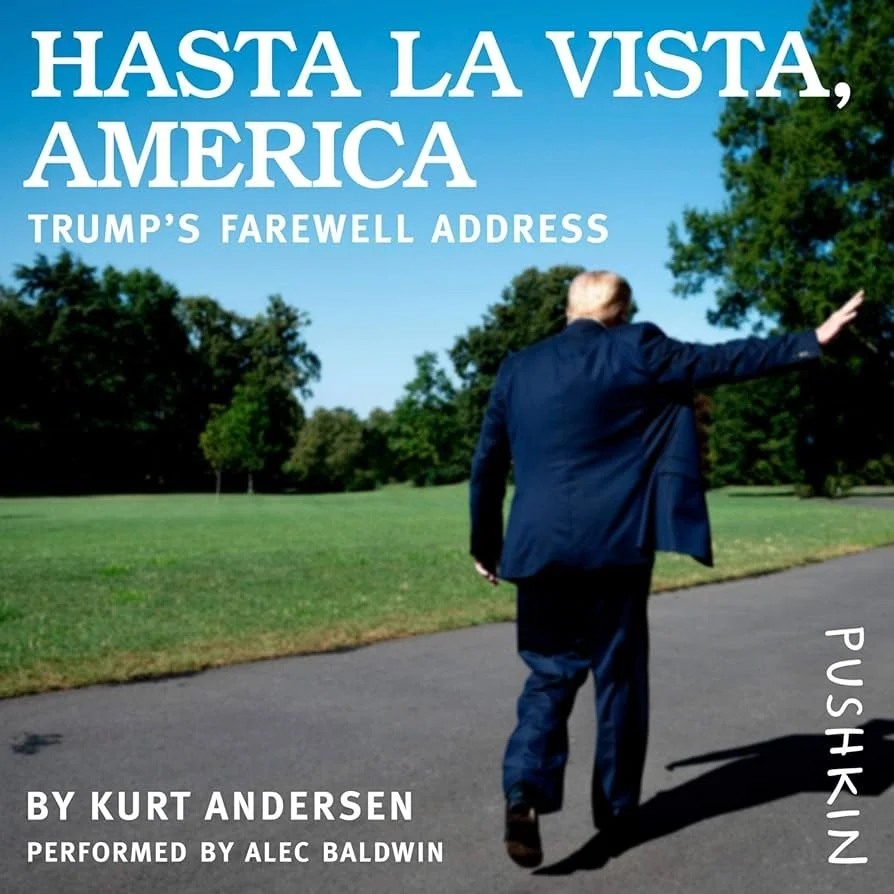
Audio presentation of Alec Baldwin delivering Trump’s fictional 2021 Farewell Address to the nation.
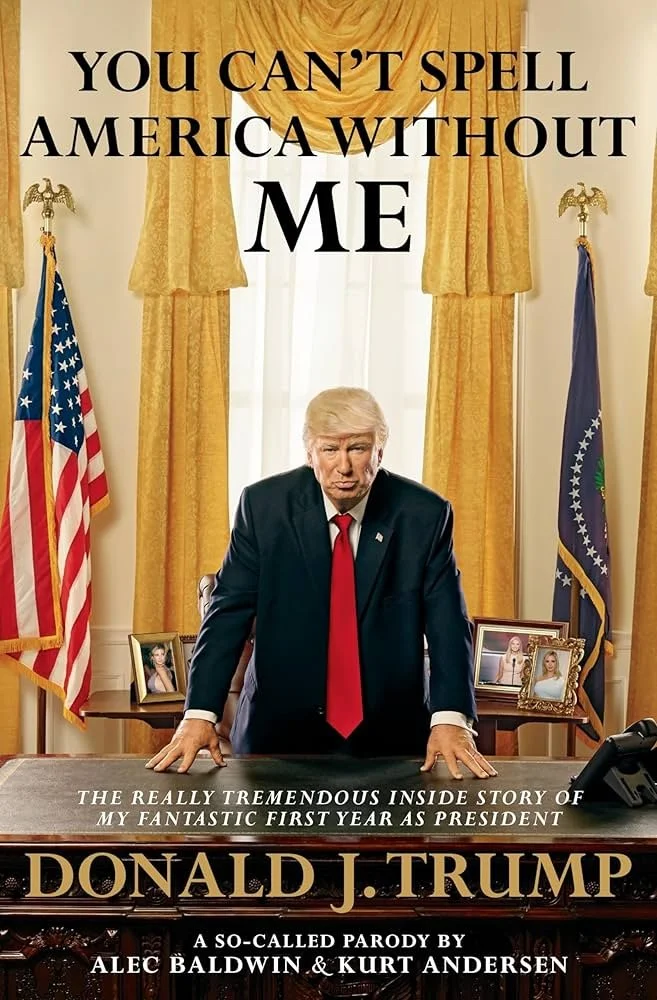
You Can’t Spell America Without MeThe Really Tremendous Inside Story of My Fantastic First Year as President Donald J. Trump (A So-Called Parody)
2021
Audio presentation of Alec Baldwin delivering Trump’s fictional 2021 Farewell Address to the nation.
You Can’t Spell America Without MeThe Really Tremendous Inside Story of My Fantastic First Year as President Donald J. Trump (A So-Called Parody)
 2017
A fictional presidential memoir by Donald Trump. Spoiler alert: he goes mad at the end. (Created with Alec Baldwin.)
2017
A fictional presidential memoir by Donald Trump. Spoiler alert: he goes mad at the end. (Created with Alec Baldwin.)
“A rollicking spoof…a withering sendup…it captures its putative author in all his solipsistic, preening self-regard.”
Kirkus Reviews
“If parody requires exaggeration, what does Trump’s real-life performance leave to exaggerate? Kurt Andersen rises to that yuuuge challenge in You Can’t Spell America Without Me… this lavish parody, filled with dozens of hilarious photos.”
Ron Charles, The Washington Post
“It’s hilarious.”
The Sunday Times of London
Reviews, Press & Appearances
 2014
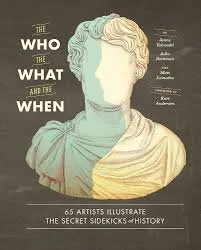
65 artists illustrate the secret sidekicks of history
Going SouthIn Lonely Planet’s Better Than Fiction anthology
2014
65 artists illustrate the secret sidekicks of history
Going SouthIn Lonely Planet’s Better Than Fiction anthology
 2013
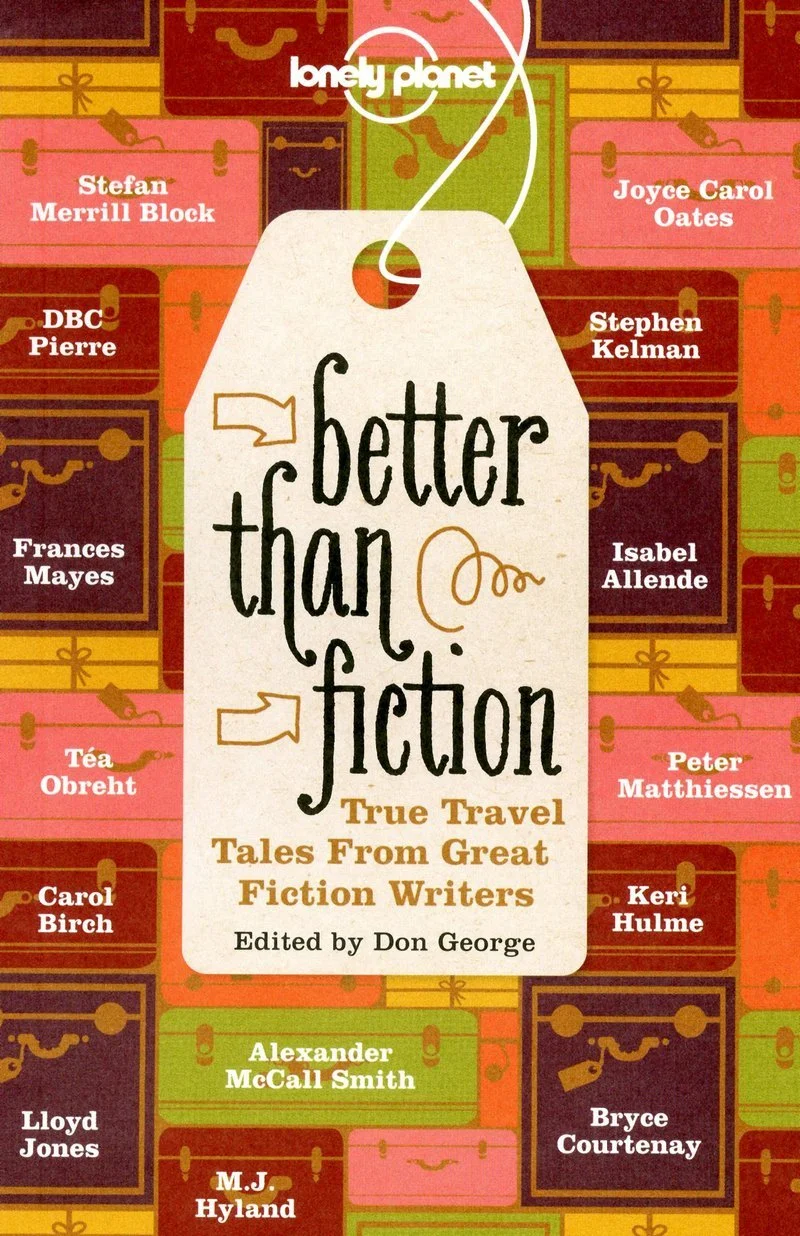
Story of the 17-year-old author and a group of friends buying an old school bus that they drove around Mexico and lived in for weeks.
True Believers
2013
Story of the 17-year-old author and a group of friends buying an old school bus that they drove around Mexico and lived in for weeks.
True Believers
 2012
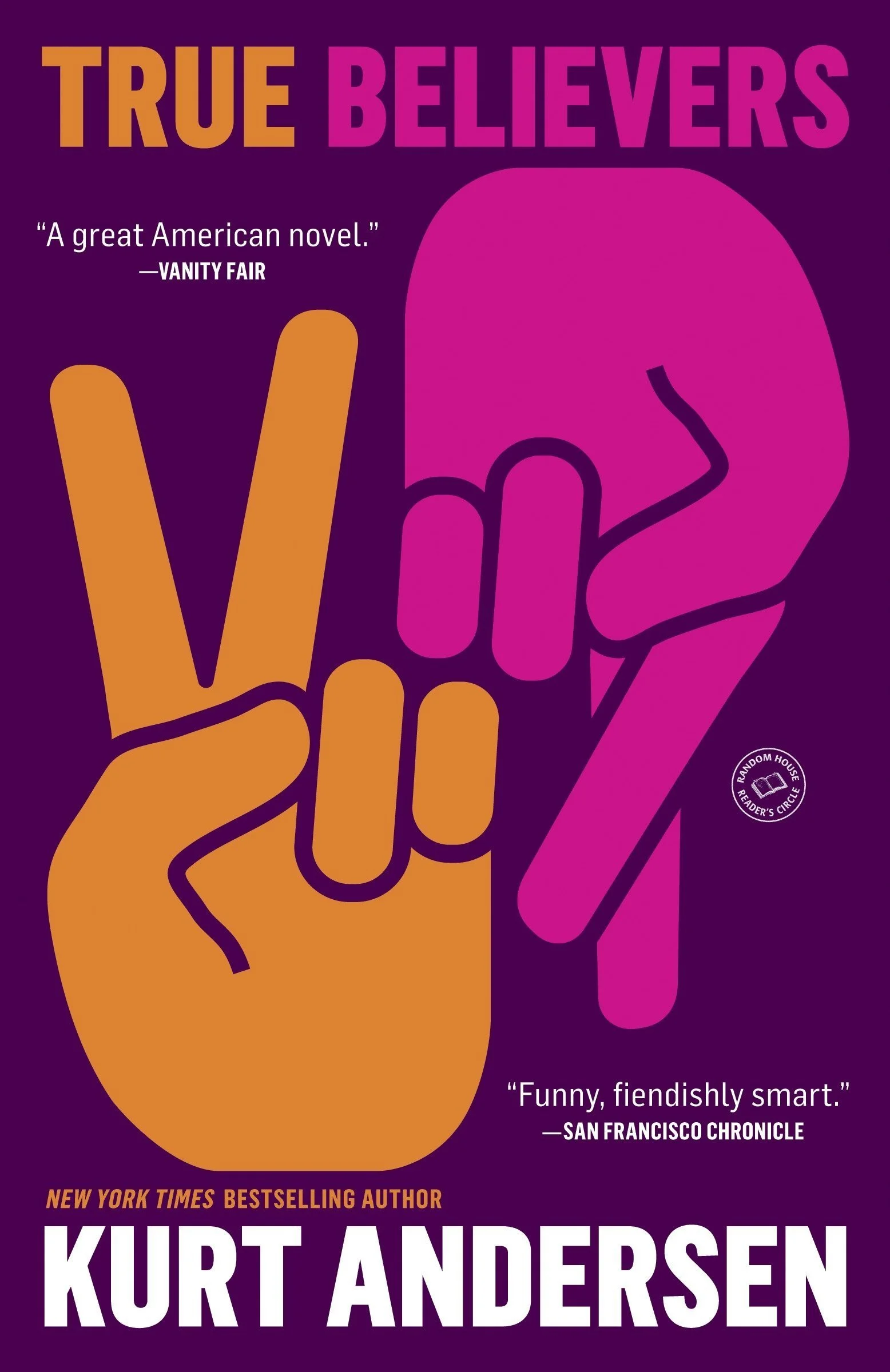
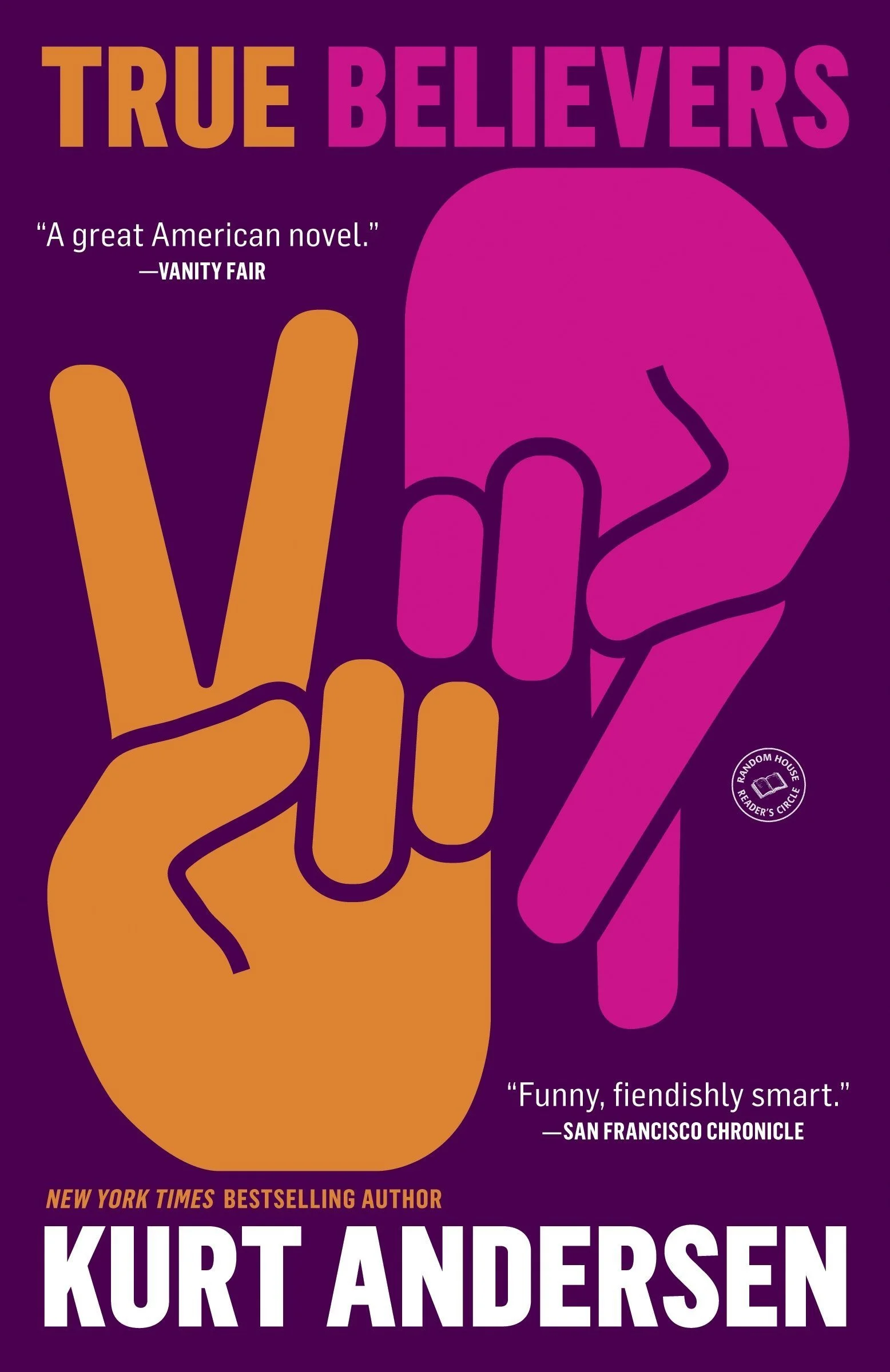
A story alternating between the present-day 2010s and the 1960s, its heroine a famous lawyer carefully chronicling—and about to reveal—a 45-year-old secret from her days as an antiwar radical.
2012
A story alternating between the present-day 2010s and the 1960s, its heroine a famous lawyer carefully chronicling—and about to reveal—a 45-year-old secret from her days as an antiwar radical.
“A great American novel.”
Jon Robin Baitz, Vanity Fair
“Kurt Andersen’s best yet. The man is operating on some far-out level that bends time and space to his will. True Believers hits all the right notes and reads like a goddamn dream.”
Gary Shteyngart
“Funny, fiendishly smart.”
San Francisco Chronicle
“Kurt Andersen’s True Believers could be included in same class as Philip Roth’s American Pastoral. One difference between Roth and Andersen: There’s more action in Andersen’s book than in Roth’s.”
Jeffrey Goldberg, The Atlantic
Reviews, Press & Appearances
 2011
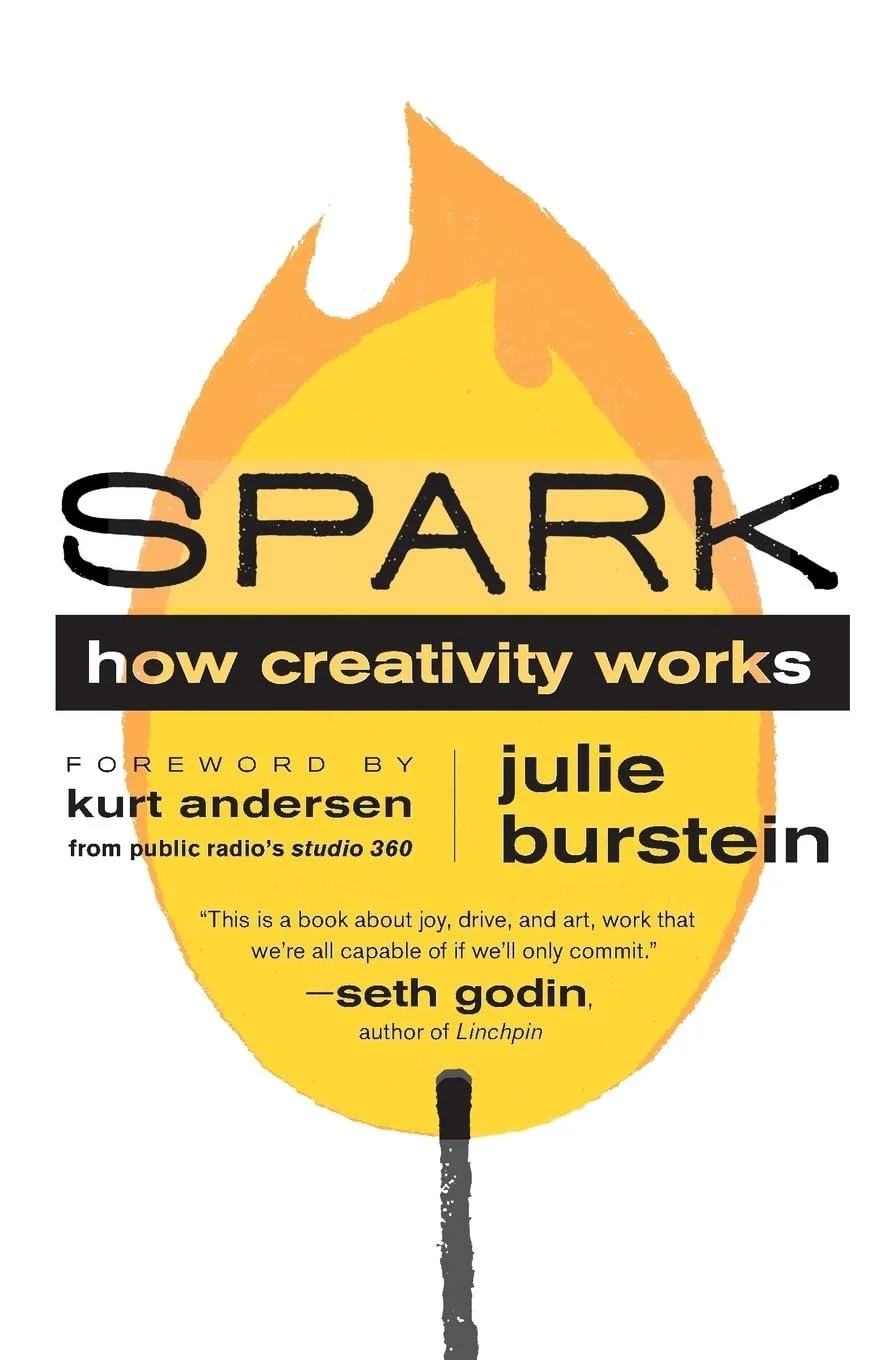
Book about the creative process drawn from Andersen’s conversations on Studio 360.
Human IntelligenceIn Stories: All New Tales
2011
Book about the creative process drawn from Andersen’s conversations on Studio 360.
Human IntelligenceIn Stories: All New Tales
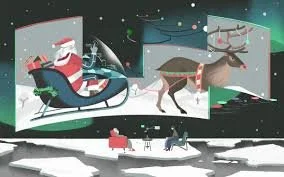 2010
Commissioned by Neil Gaiman for his anthology Stories, later adapted as an audio drama and republished in Future Human.
Reset
2010
Commissioned by Neil Gaiman for his anthology Stories, later adapted as an audio drama and republished in Future Human.
Reset
 2009
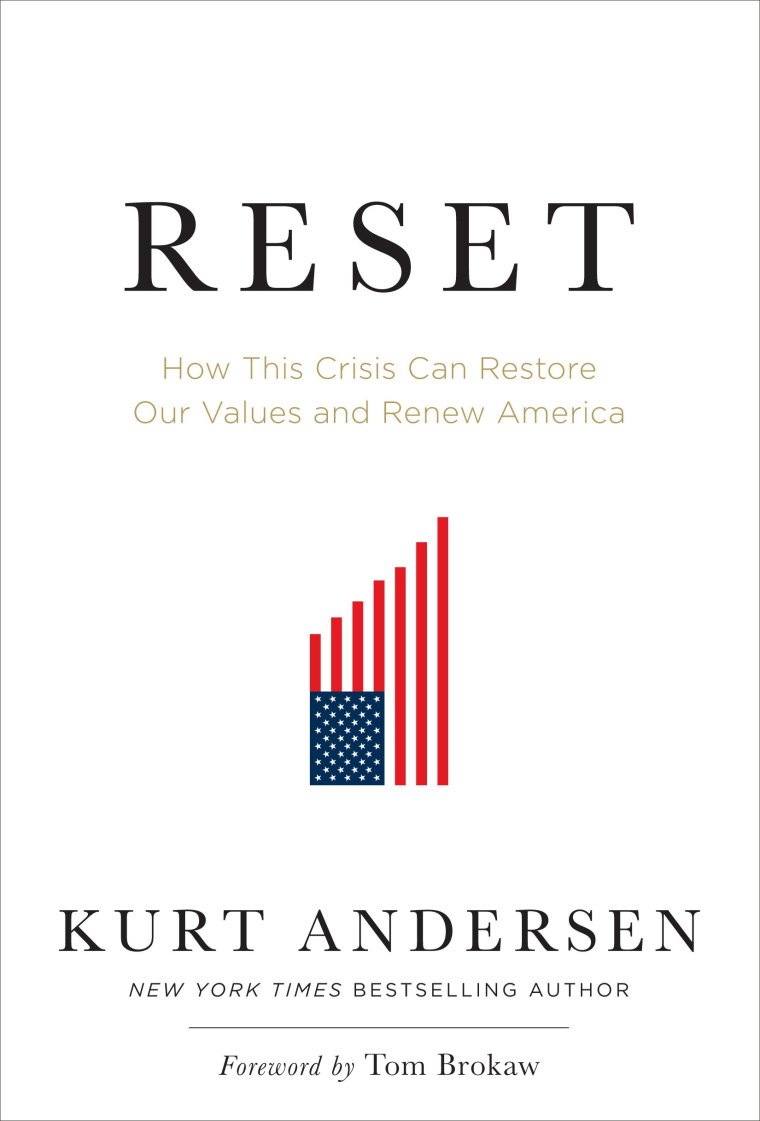
A brisk, hopeful book published during and about the 2008–2009 financial crisis and Great Recession—how it had created a rare moment of opportunity for America to give itself a hard look, make hard choices, and get back on track.
2009
A brisk, hopeful book published during and about the 2008–2009 financial crisis and Great Recession—how it had created a rare moment of opportunity for America to give itself a hard look, make hard choices, and get back on track.
“This is the end of the world as we’ve known it,” Andersen writes in Reset. “But it isn’t the end of the world.” The book argued that the economic crisis and Great Recession of 2008–09 presented a moment of opportunity to get ourselves and our nation back on track—as it turned out, alas, an opportunity largely squandered. America had always shifted between wild, exuberant speculation and steady, sober hard work, as well as back and forth between booms and busts, and between right and left politically. The Wall Street meltdown and Great Recession were one of the rare moments when all those cycles shifted dramatically and simultaneously.
“Manifesto for renewal with a heavyweight punch.”
USA Today
“In this provocative and insightful book Kurt Andersen has given us a blueprint for what can be a new way of seeing America as a land of opportunity and sound values.”
Tom Brokaw
Reviews, Press & Appearances
 2009
A piece of short fiction featuring James Dean. Commissioned by the Significant Objects project in which writers imagine a back story about a random object.
Introduction to The Lost Honor of Katharina BlumBy Heinrich Böll
2009
A piece of short fiction featuring James Dean. Commissioned by the Significant Objects project in which writers imagine a back story about a random object.
Introduction to The Lost Honor of Katharina BlumBy Heinrich Böll
 2009
Penguin Classics edition of Heinrich Böll’s 1974 novel about sensationalist media coverage in the era of left-wing German terrorism.
Heyday
2009
Penguin Classics edition of Heinrich Böll’s 1974 novel about sensationalist media coverage in the era of left-wing German terrorism.
Heyday
 2007
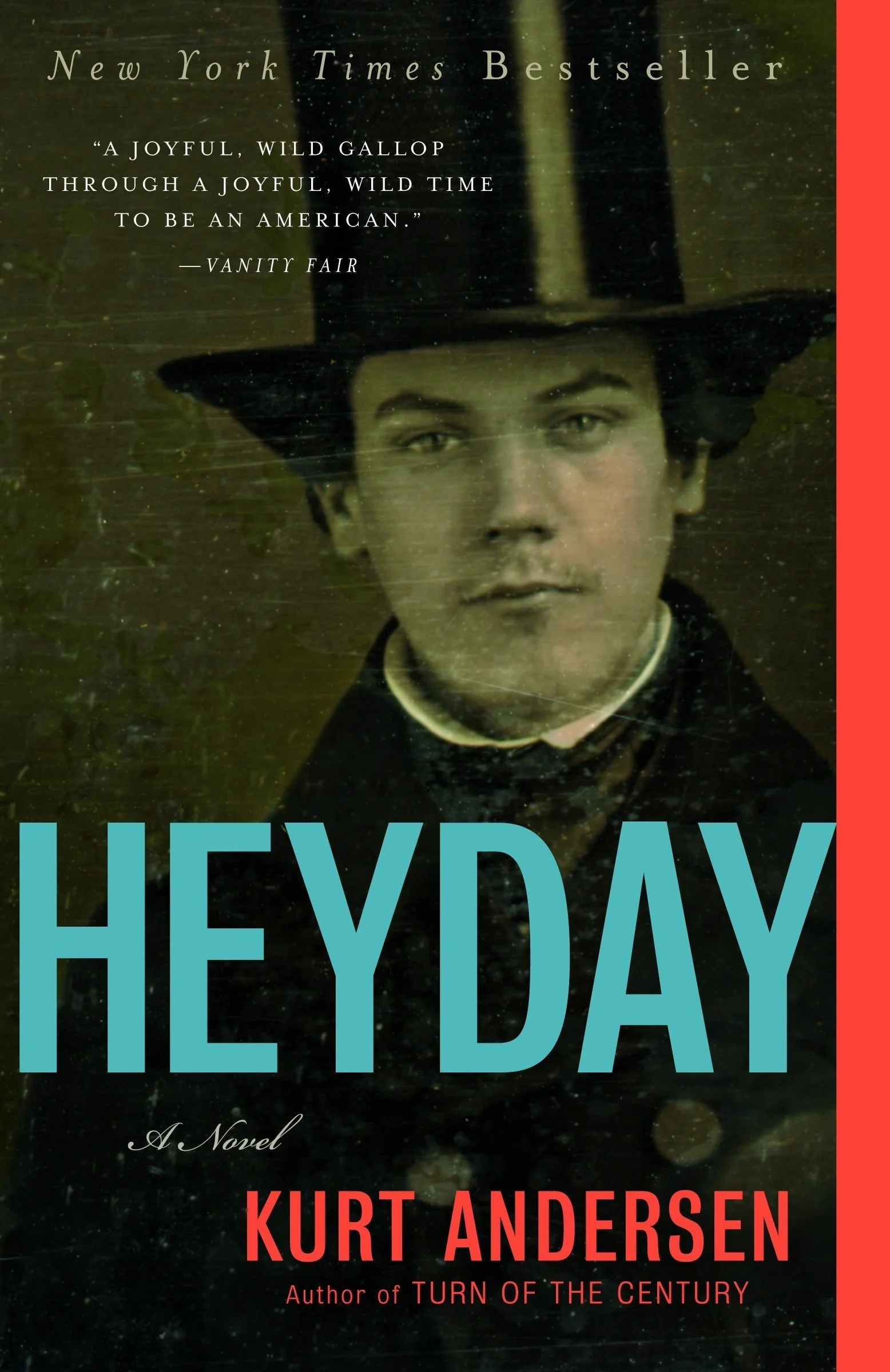
A tale of adventure, friendship and improbable love during America’s boisterous coming of age in the worldwide revolutionary year of 1848—from Paris to New York City and an epic cross-continent journey to California just as the Gold Rush begins.
2007
A tale of adventure, friendship and improbable love during America’s boisterous coming of age in the worldwide revolutionary year of 1848—from Paris to New York City and an epic cross-continent journey to California just as the Gold Rush begins.
“Teeming with extravagantly vivid characters. It’s a band-concert of a novel. There is something moving, a stirring spirit, in the energy of its amazement.”
New York Times Book Review
“Simply stellar. A tour de force. Captivating and thoroughly engaging story with compelling characters and an epic resonance.”
Baltimore Sun
“In this utterly engaging novel, the author of Turn of the Century brings 19th-century America vividly to life…It moves quickly, with historical detail that’s involving but never a drag on the action; the characters are beautifully drawn. A terrific book; highly recommended.”
Library Journal
“Like a long-lost literary treasure. If its ripping plot twists don’t hook you, then you’re bound to be snared by the scads of riveting historical details. It’ll be just as enjoyable in 150 years as it is today. ‘A’”
Entertainment Weekly
Reviews, Press & Appearances
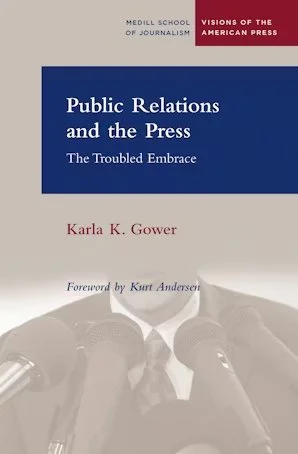 2007
Northwestern University Press
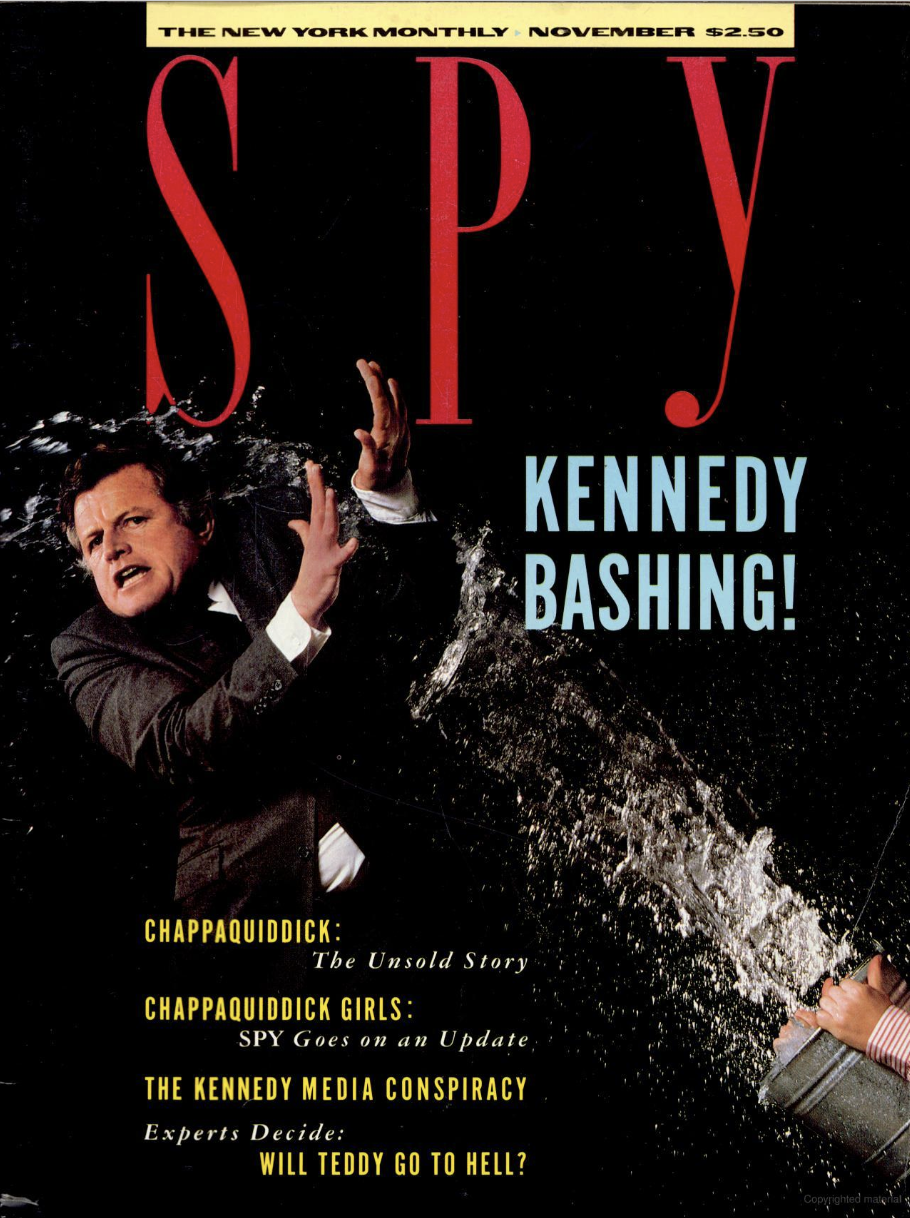
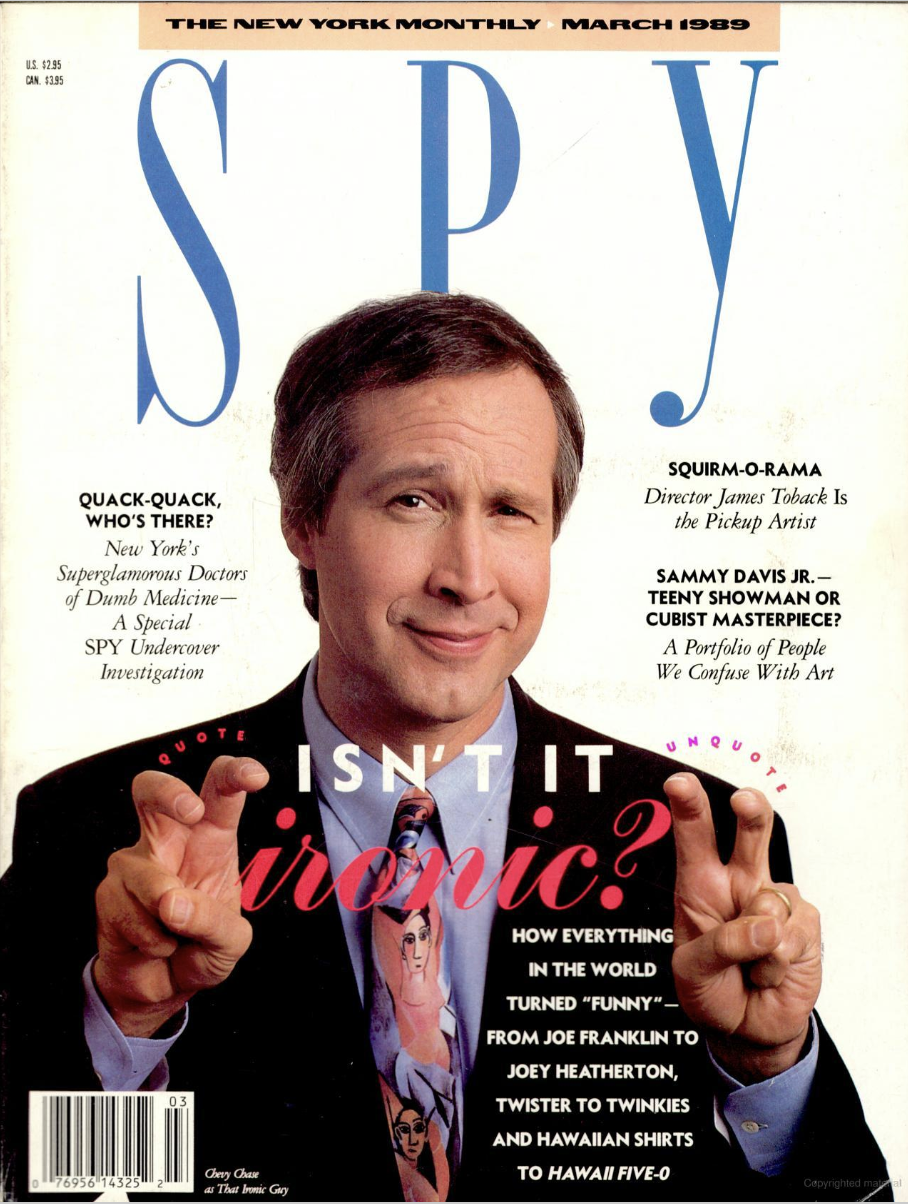
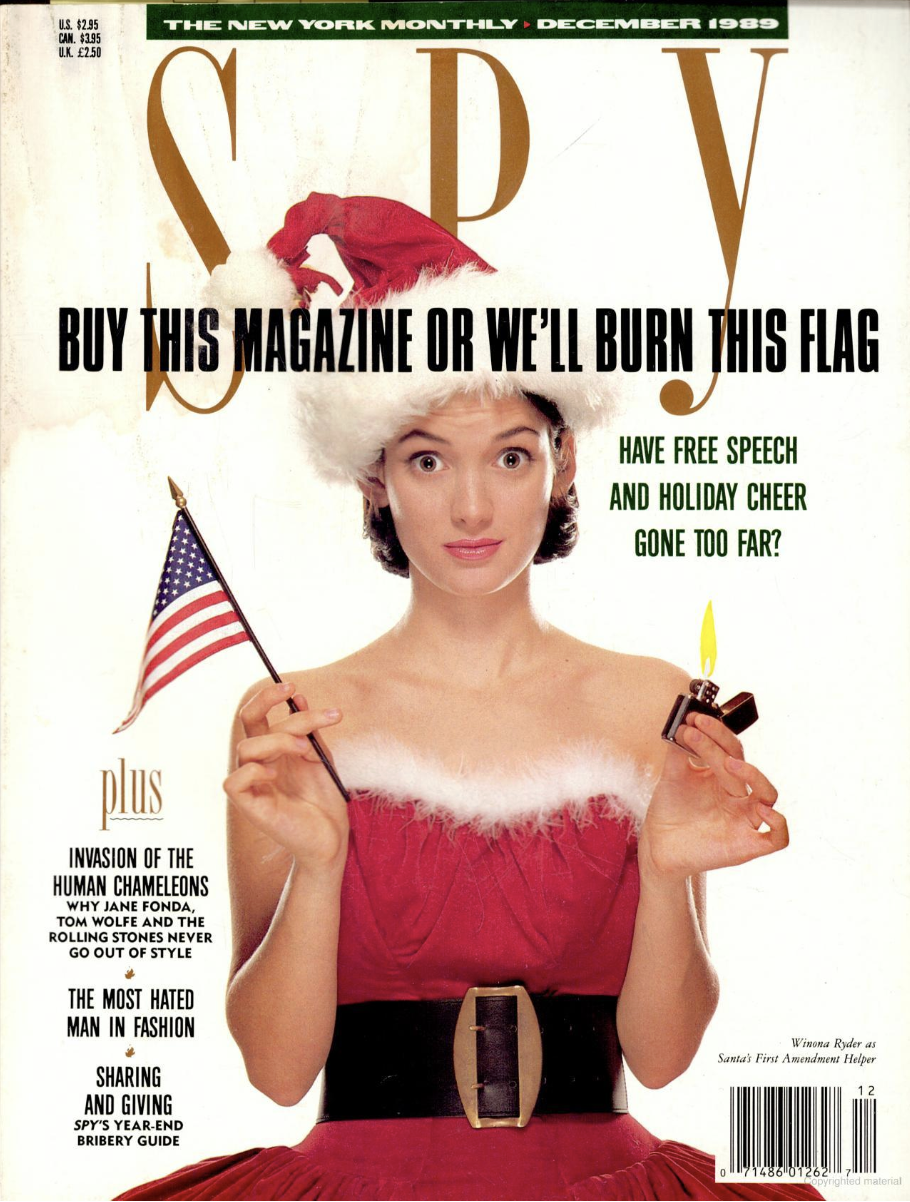
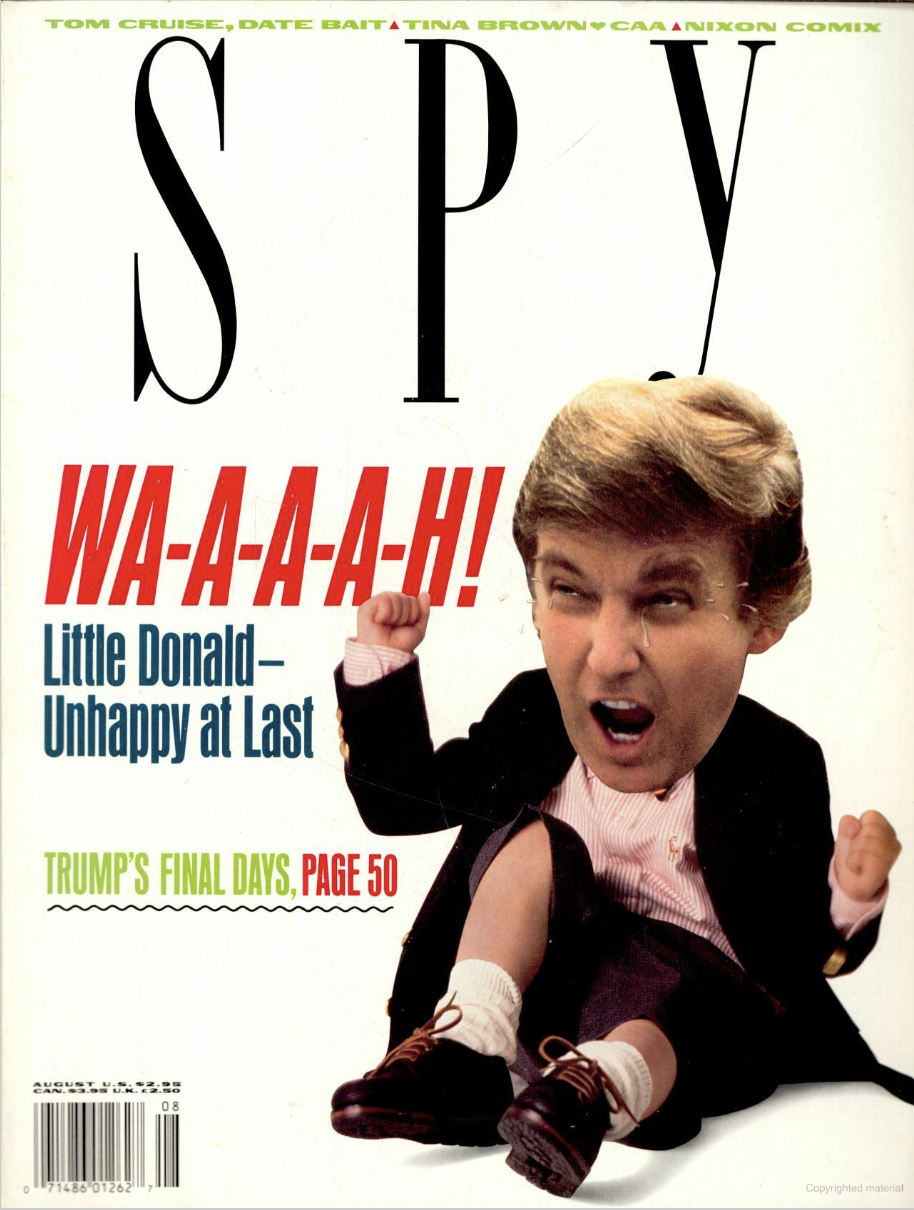
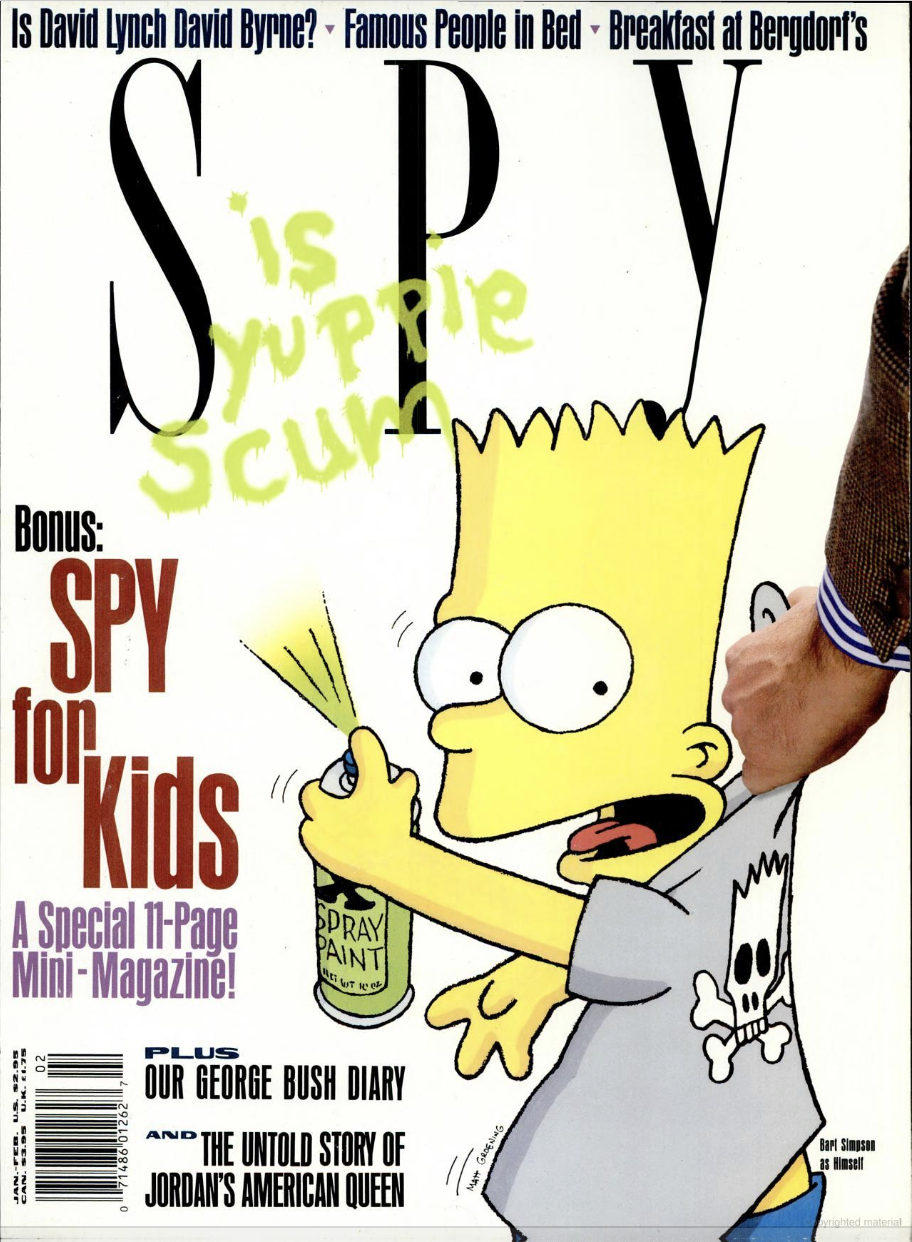
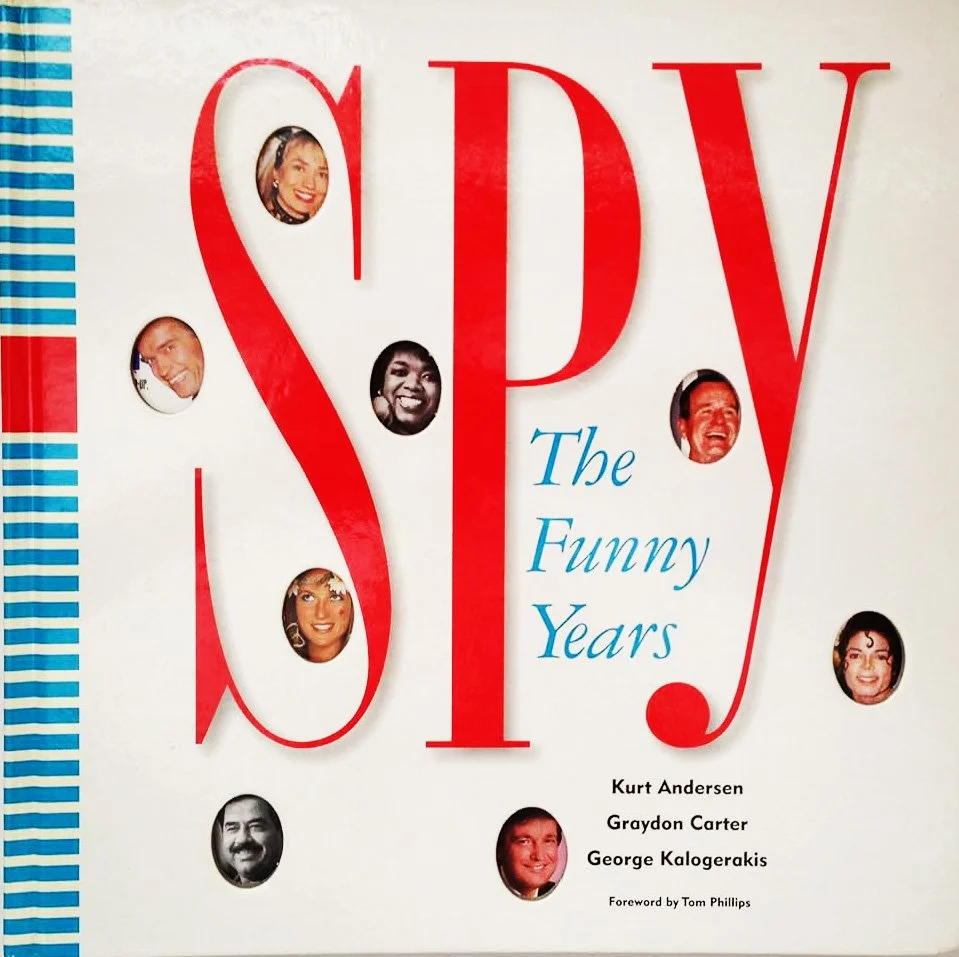
Spy: The Funny Years
2007
Northwestern University Press
Spy: The Funny Years
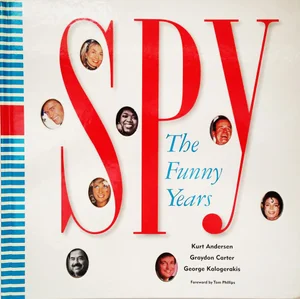 2006
The definitive anthology, inside story, and scrapbook of the magazine that shaped the zeitgeist of the 1980s and 90s. Co-authored with Graydon Carter and George Kalogerakis.
2006
The definitive anthology, inside story, and scrapbook of the magazine that shaped the zeitgeist of the 1980s and 90s. Co-authored with Graydon Carter and George Kalogerakis.
“Spy was the most influential magazine of the 1980s. It was cruel, brilliant, beautifully written and perfectly designed.”
Dave Eggers
“Spy was so funny. Perhaps you are too young or too old during Spy’s glory years. This really is the book for you.”
San Francisco Chronicle
“With equal parts nostalgia and snarkiness, this history/anthology celebrates the now legendary satirical magazine during its heyday.”
Publishers Weekly
“If a decade is lucky, it gets the magazine it deserves. The 1980s were perhaps luckier than they deserved, [with] a deliciously vicious newsstand cherry bomb calling itself Spy.”
Christopher Buckley, The New York Times
Reviews, Press & Appearances
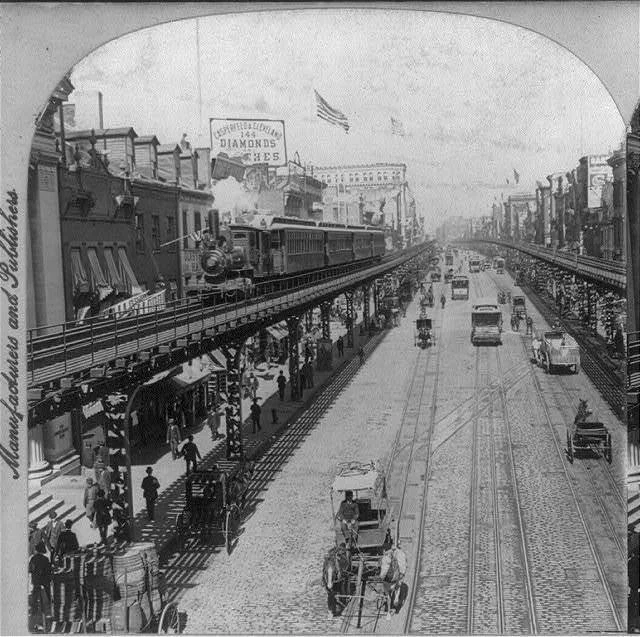 2003
Short story for Metropolis that turned into a chapter in the novel Heyday (2007).
Essay in Pleasure: The Architecture and Design of Rockwell Group
2003
Short story for Metropolis that turned into a chapter in the novel Heyday (2007).
Essay in Pleasure: The Architecture and Design of Rockwell Group
 2002
Universe Publishing/Rizzoli
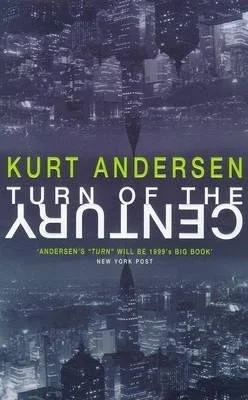
Turn of the Century
2002
Universe Publishing/Rizzoli
Turn of the Century
 1999
Andersen’s first novel plunges deep inside the giddy beginnings of our digitally revolutionized, money-mad, media-drenched, fantasy-and-reality-blurring era. A satire with heart about modern business, marriage and family.
1999
Andersen’s first novel plunges deep inside the giddy beginnings of our digitally revolutionized, money-mad, media-drenched, fantasy-and-reality-blurring era. A satire with heart about modern business, marriage and family.
“A blockbuster fiction debut for media insider Andersen. His brilliantly conceived, keenly incisive social satire draws fresh humor out of the overhyped territory of millennial madness.”
Publishers Weekly
“Savagely subversive. A smart, funny and excruciatingly deft portrait of our age.”
The Wall Street Journal
“Inspired. Astonishing. Very funny.”
Entertainment Weekly
“It’s a book that should be put in a Manhattan time capsule with the note: ‘This is how we lived at the turn of the century.’”
The New York Times
Reviews, Press & Appearances
 1980
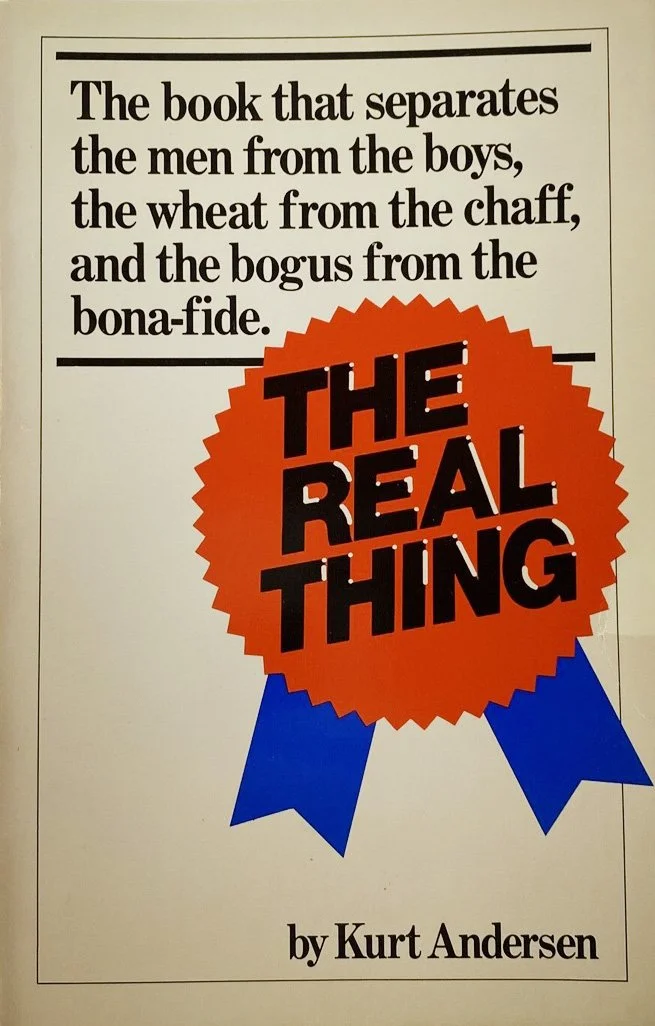
Short humorous essays about the quintessential example in eighty categories of things from Affectations to Boring Cities to Fast Foods to Sexual Positions.
1980
Short humorous essays about the quintessential example in eighty categories of things from Affectations to Boring Cities to Fast Foods to Sexual Positions.
“As if Johnny Carson and Dick Cavett weren’t enough in the way of humor, the state of Nebraska has now given us Kurt Andersen. The Real Thing can be very witty. Mr. Andersen is a social satirist with a burning coal in his shoe; in a calmer state, whimsical. Such a book is to be wished success.”
The New York Times
 2026
The New York Times
Solitude ≠ LonelinessThe 2026 Edward Stanley Award Essay on the Humanities
2026
The New York Times
Solitude ≠ LonelinessThe 2026 Edward Stanley Award Essay on the Humanities
 2026
Prairie Schooner
The Huckster Shaman Who Founded a Cult
2026
Prairie Schooner
The Huckster Shaman Who Founded a Cult
 2026
The New York Times Book Review
Bill Ackman Is a Brilliant Fictional Character
2026
The New York Times Book Review
Bill Ackman Is a Brilliant Fictional Character
 2024
The Atlantic
RFK Jr. Was My Drug Dealer
2024
The Atlantic
RFK Jr. Was My Drug Dealer
 2024
The Atlantic
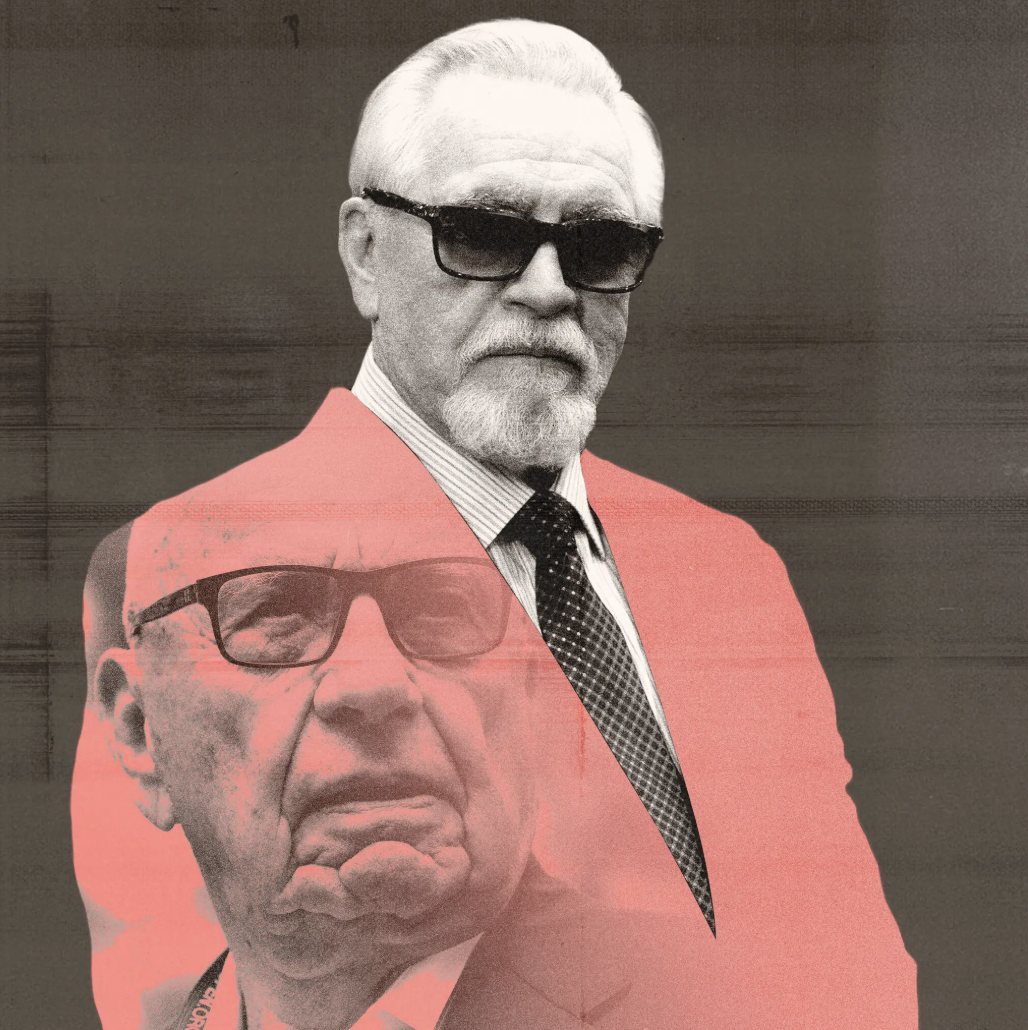
‘Succession’ Nailed the Unreal Way We Live Now
2024
The Atlantic
‘Succession’ Nailed the Unreal Way We Live Now
 2023
The New York Times
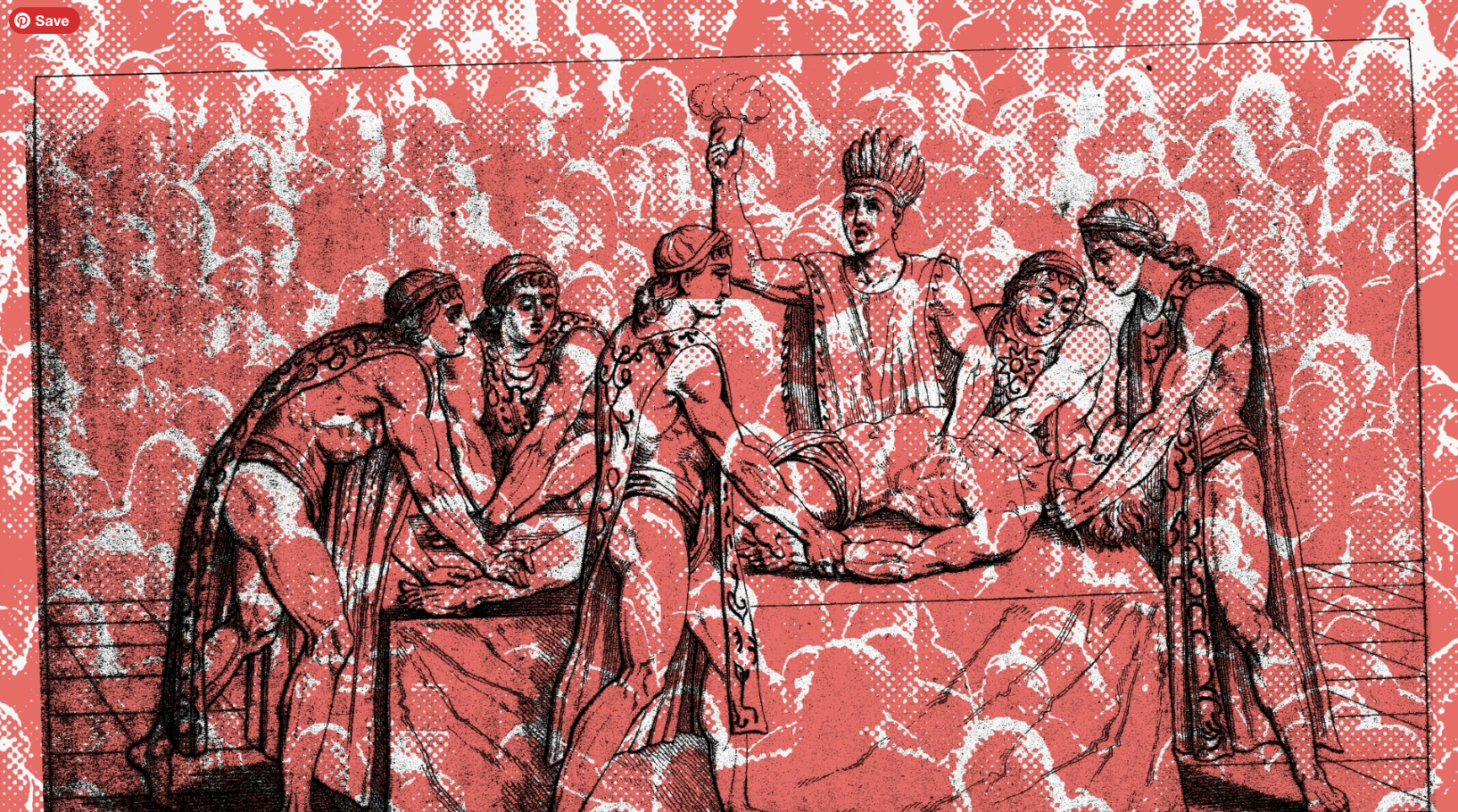
The Anti-vaccine Right Brought Human Sacrifice to America
2023
The New York Times
The Anti-vaccine Right Brought Human Sacrifice to America
 2022
The Atlantic
Our Best-Case Scenario: A Negotiated Breakup
2022
The Atlantic
Our Best-Case Scenario: A Negotiated Breakup
 2022
The New Republic
A Guide to This Exciting, Funny, Scary, Real-Life Sci-Fi Moment
2022
The New Republic
A Guide to This Exciting, Funny, Scary, Real-Life Sci-Fi Moment
 2021
Medium
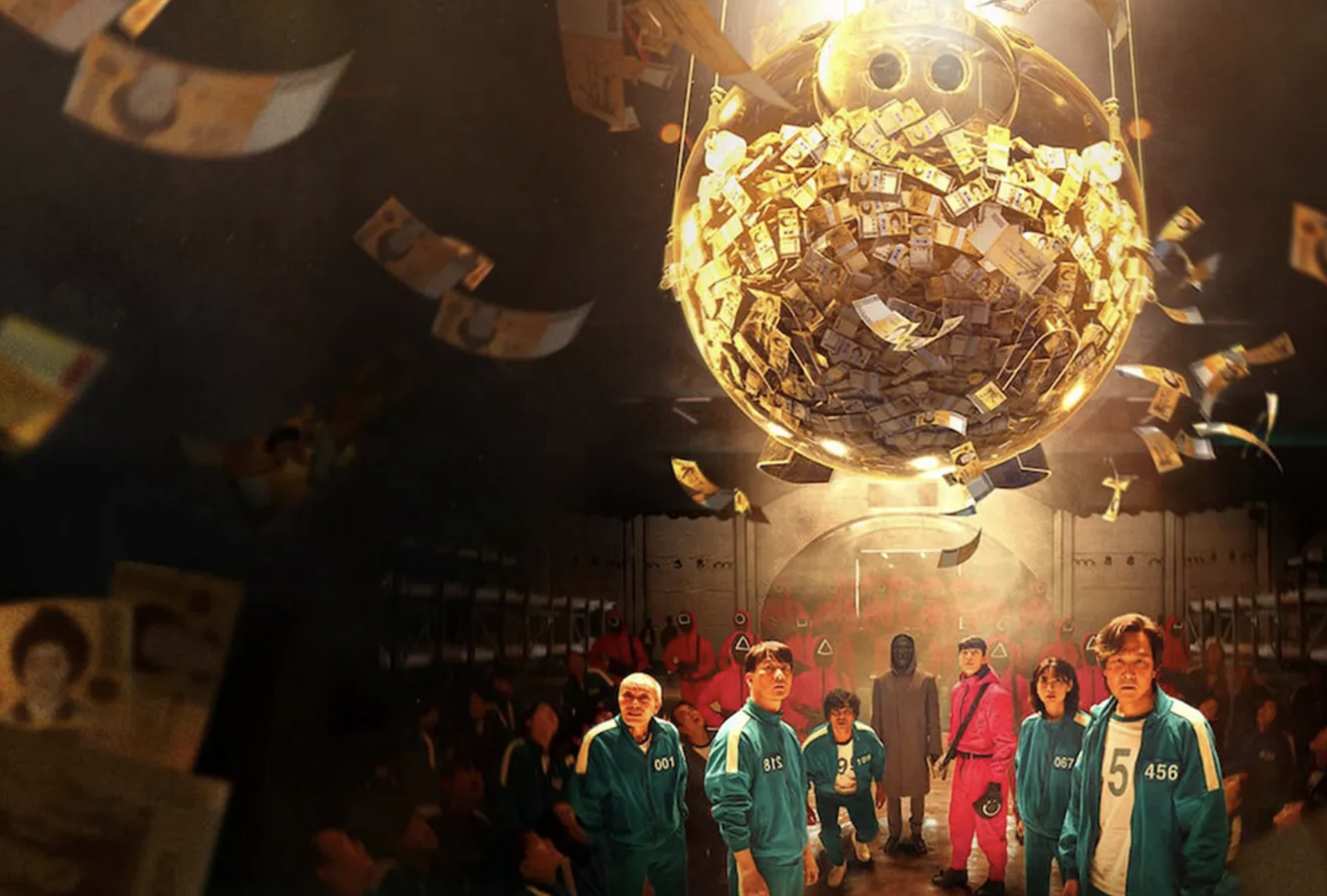
Doing Our Bit to Avoid a Civil War
2021
Medium
Doing Our Bit to Avoid a Civil War
 2021
Medium
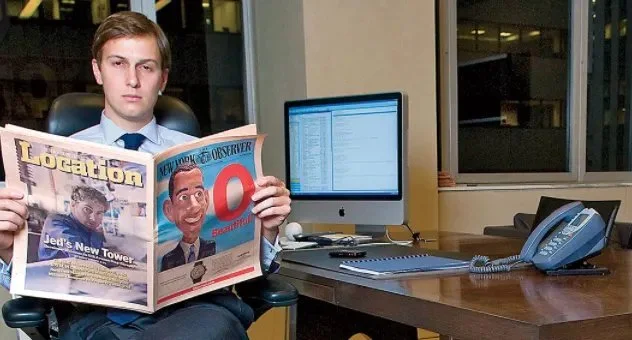
Maybe You Don’t Want to Be In Business With Jared Kushner
2021
Medium
Maybe You Don’t Want to Be In Business With Jared Kushner
 2021
Medium
2021
MediumReadable non-paywalled PDF A Brief History of “Fuck” in The New York Times
 2021
Medium
How the Supreme Court Gave the Capitol Insurrection a Green Light
2021
Medium
How the Supreme Court Gave the Capitol Insurrection a Green Light
 2021
Medium
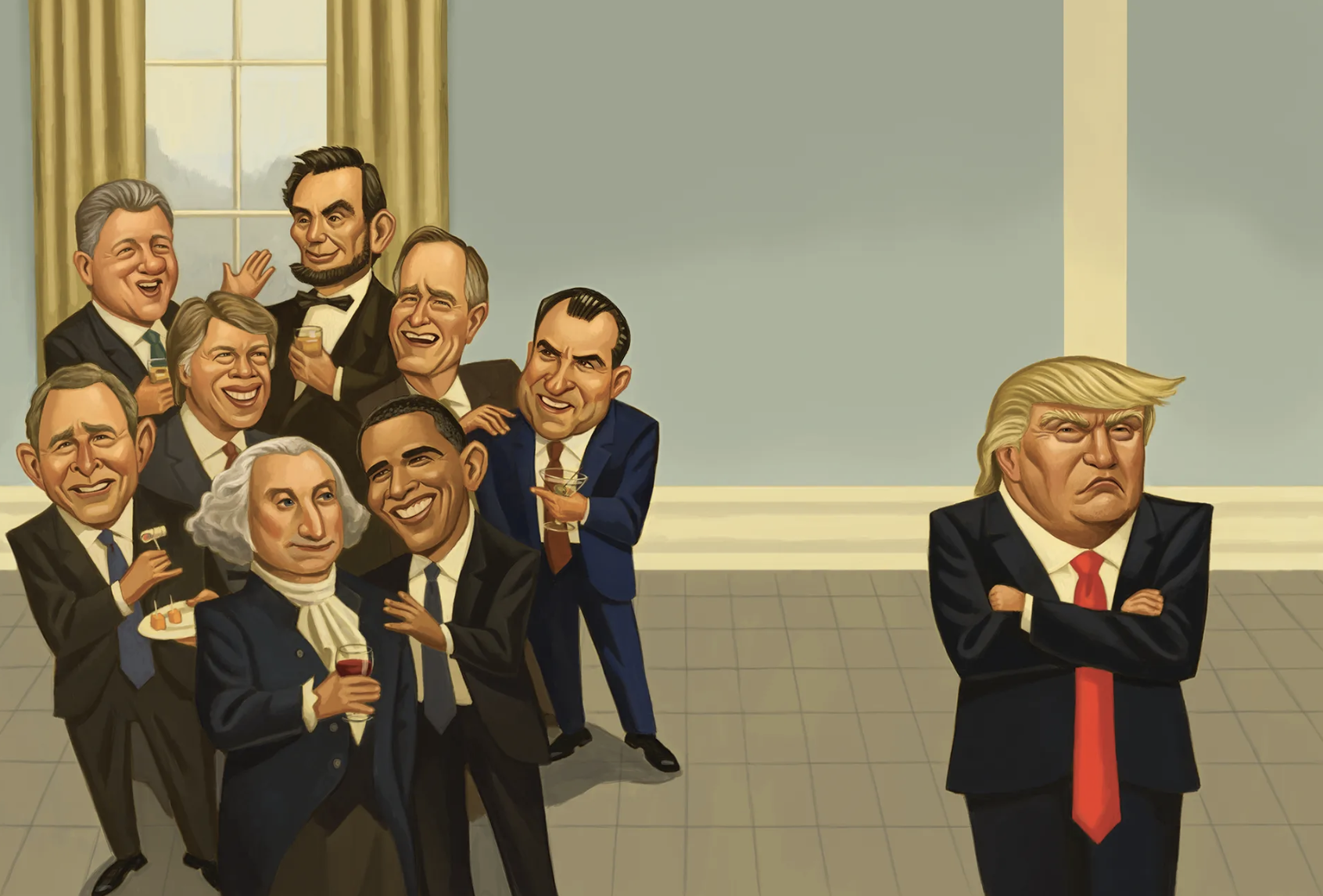
R.I.P. Donald Trump
2021
Medium
R.I.P. Donald Trump
 2020
Vanity Fair
Book Review: Empathy for the Donald
2020
Vanity Fair
Book Review: Empathy for the Donald
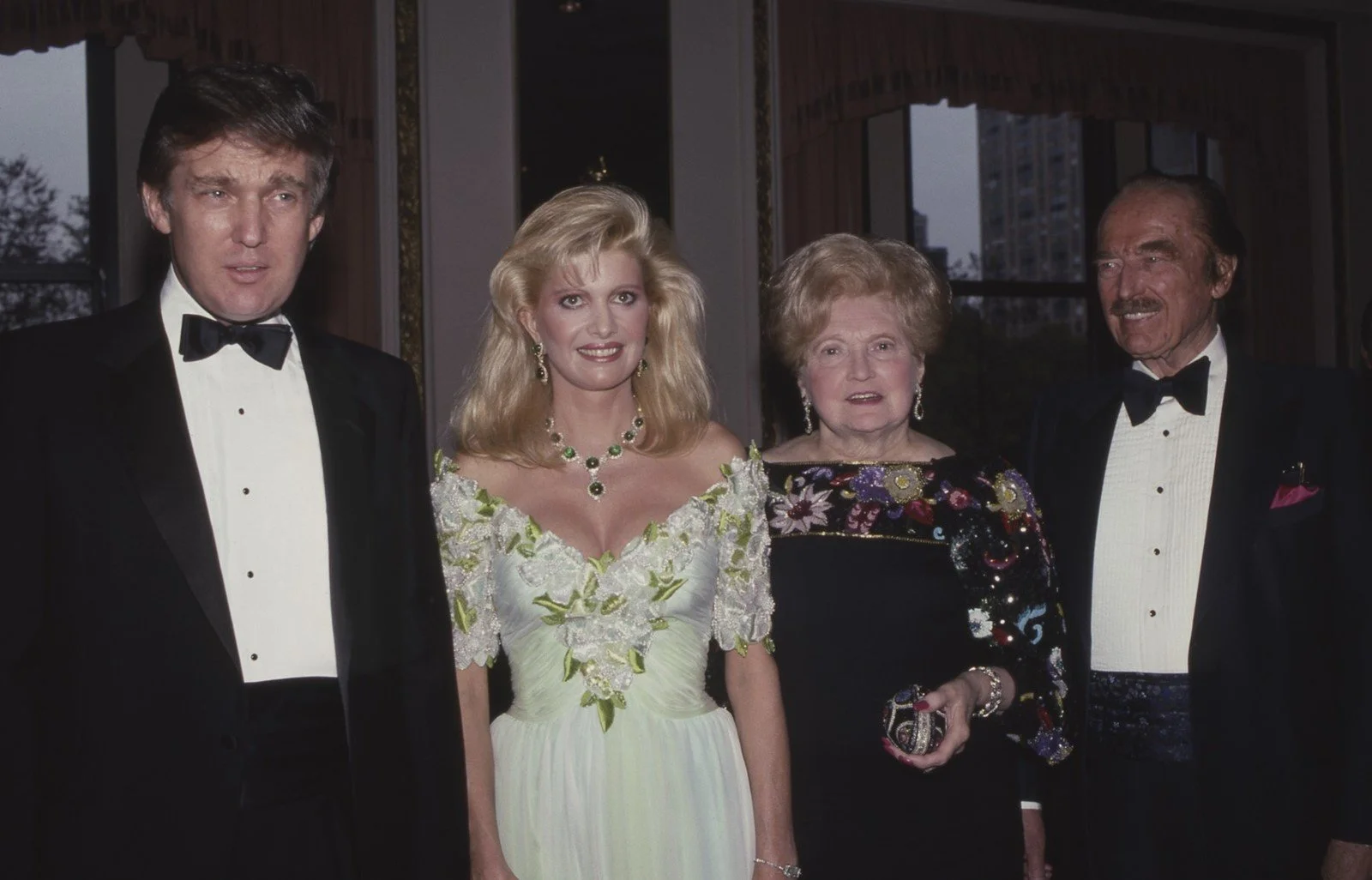 2020
Los Angeles Times
How Liberals Opened the Door to Libertarian Economics
2020
Los Angeles Times
How Liberals Opened the Door to Libertarian Economics
 2020
The New York Times
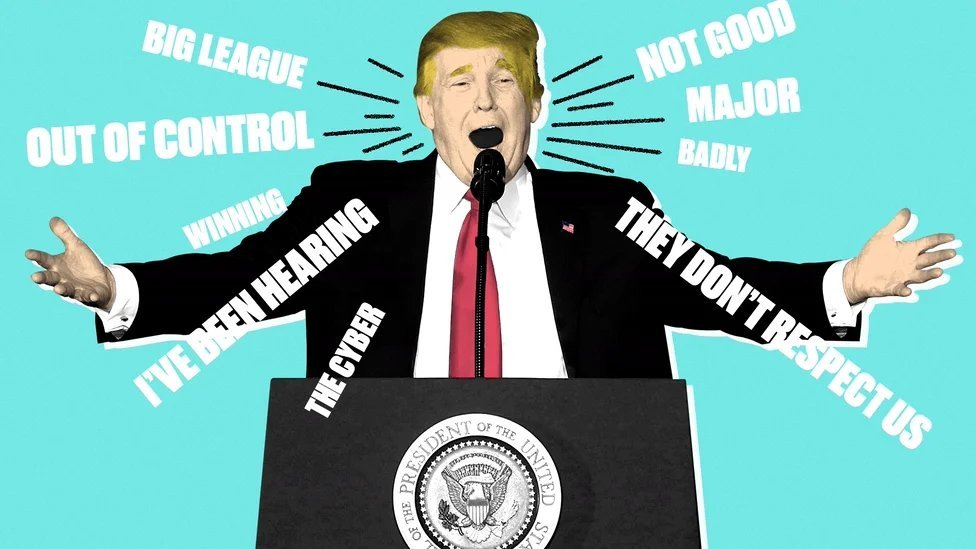
How to Talk Like Trump
2020
The New York Times
How to Talk Like Trump
 2018
The Atlantic
Tom Wolfe Made Everyone Talk About Him
2018
The Atlantic
Tom Wolfe Made Everyone Talk About Him
 2018
The New York Times
One Blasphemer’s New Admiration for Mormons
2018
The New York Times
One Blasphemer’s New Admiration for Mormons
 2017
The Atlantic
Hands Up. It’s Showtime
2017
The Atlantic
Hands Up. It’s Showtime
 2017
The New York Times
How America Went Haywire
2017
The New York Times
How America Went Haywire
 2016
The Atlantic (cover story)
The Unbelievable Punchline to the Spy 30-Year Joke
2016
The Atlantic (cover story)
The Unbelievable Punchline to the Spy 30-Year Joke
 2016
Esquire
The Best Decade Ever? The 1990s, Obviously
2016
Esquire
The Best Decade Ever? The 1990s, Obviously
 2015
The New York Times
Enthusiasts and Skeptics Debate Artificial Intelligence
2015
The New York Times
Enthusiasts and Skeptics Debate Artificial Intelligence
 2014
Vanity Fair
Nebraska Magic ShowIn The Book of Men edited by Colum McCann
2014
Vanity Fair
Nebraska Magic ShowIn The Book of Men edited by Colum McCann
 2013
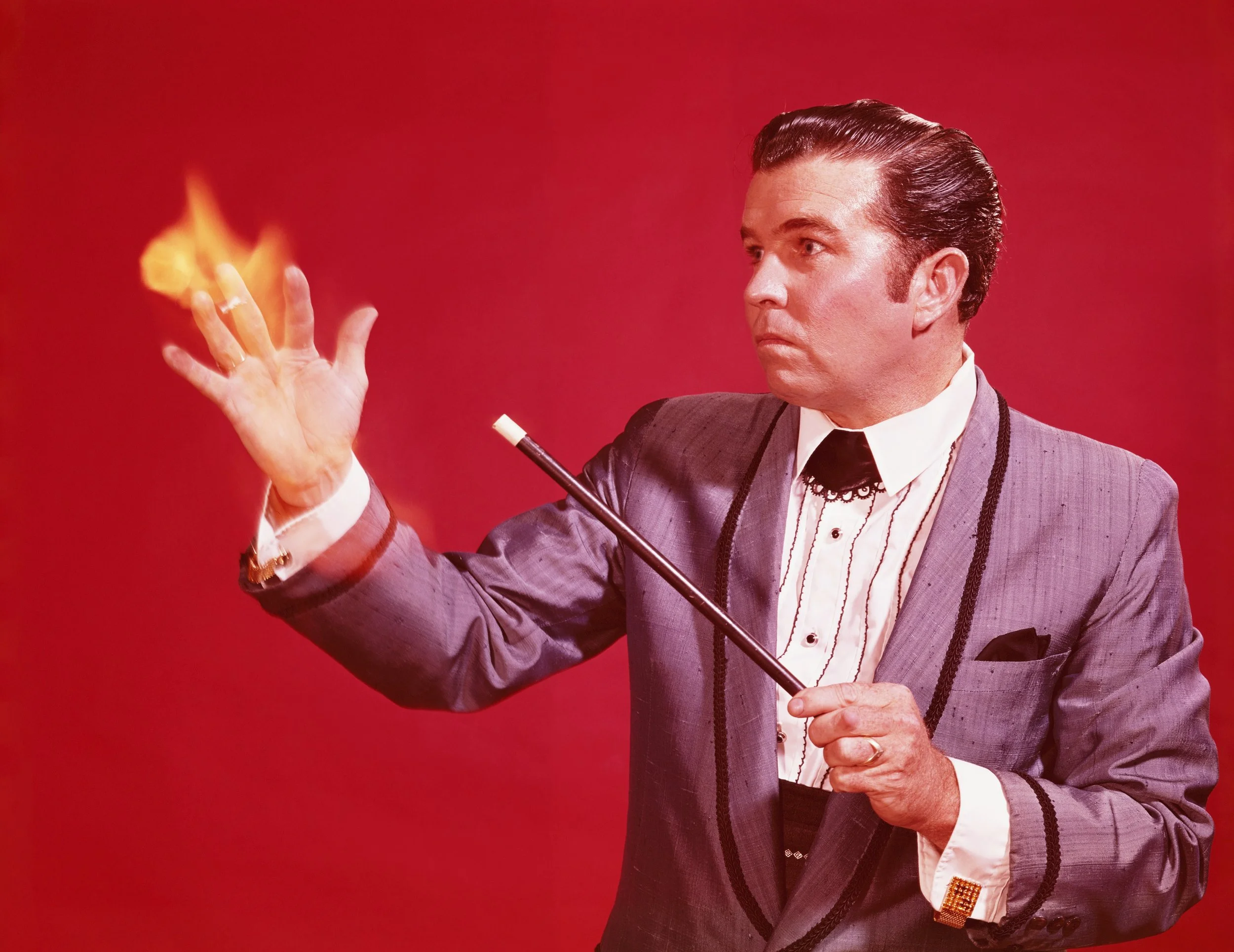
A short story about a magic show in 1952 in Lincoln, Nebraska, in which Johnny Carson, Dick Cavett, Warren Buffett, and the kill-spree murderer Charles Starkweather are characters.
A Road Trip Through Alexander Payne’s NebraskaWanderlust
2013
A short story about a magic show in 1952 in Lincoln, Nebraska, in which Johnny Carson, Dick Cavett, Warren Buffett, and the kill-spree murderer Charles Starkweather are characters.
A Road Trip Through Alexander Payne’s NebraskaWanderlust
 2013
T: The New York Times Style Magazine
Boy Girl Boy Girl
2013
T: The New York Times Style Magazine
Boy Girl Boy Girl
 2012
Allure
Kurt Vonnegut: LettersBook review
2012
Allure
Kurt Vonnegut: LettersBook review
 2012
The New York Times Book Review
Susanna MooreAn interview
2012
The New York Times Book Review
Susanna MooreAn interview
 2012
BOMB
The Downside of Liberty
2012
BOMB
The Downside of Liberty
 2012
The New York Times
Person of the Year: The Protestor
2012
The New York Times
Person of the Year: The Protestor
 2011
Time (cover story)
You Say You Want A Devolution
2011
Time (cover story)
You Say You Want A Devolution
 2011
Vanity Fair
Our Politics Are Sick
2011
Vanity Fair
Our Politics Are Sick
 2011
The New York Times
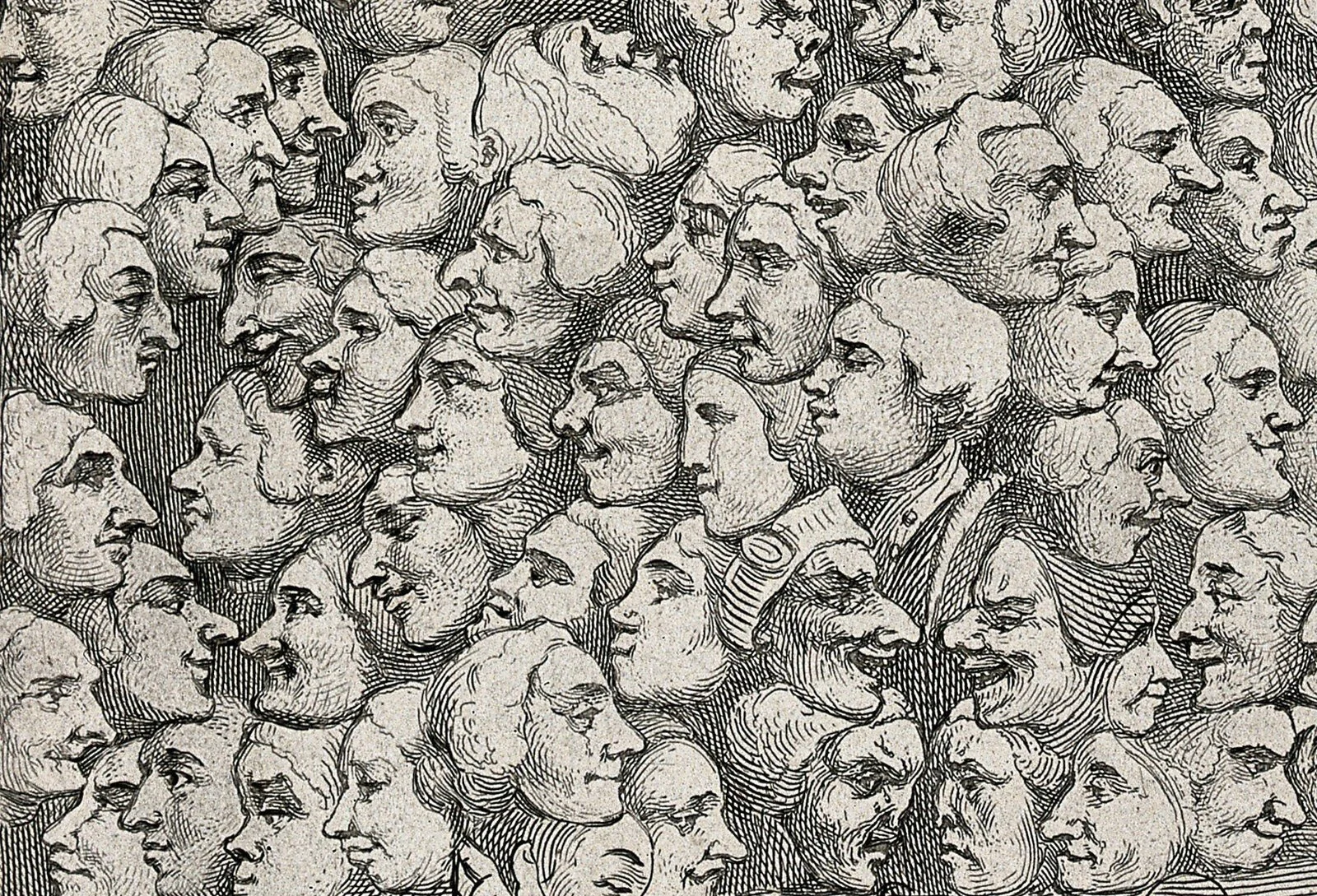
The Madman Theory
2011
The New York Times
The Madman Theory
 2011
The New York Times
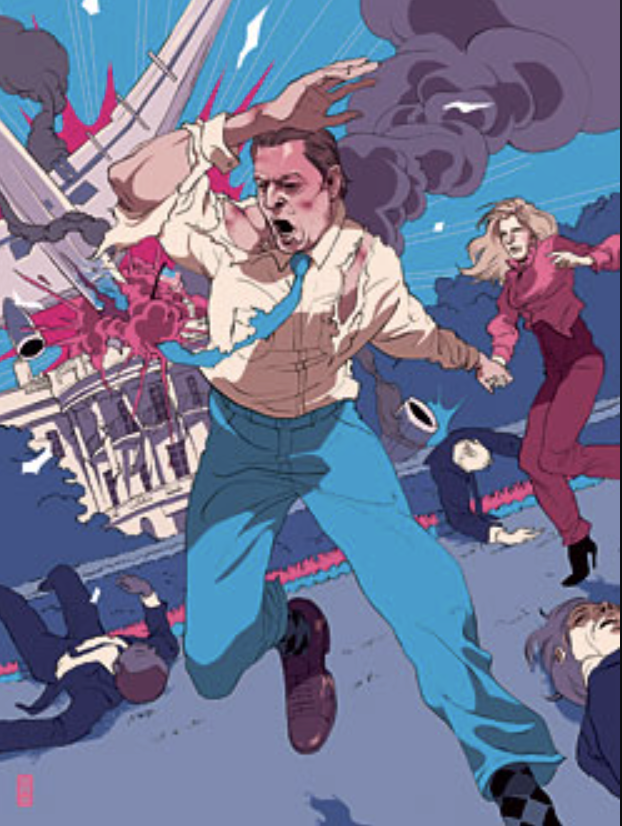
Gore Moves In
2011
The New York Times
Gore Moves In
 2010
New York
The Genesis 2.0 Project
2010
New York
The Genesis 2.0 Project
 2010
Vanity Fair
Pop Culture in the Age of Obama
2010
Vanity Fair
Pop Culture in the Age of Obama
 2009
The New York Times Book Review
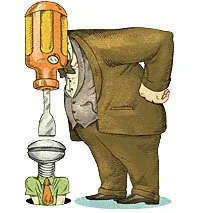
How the Middle Class is Getting Screwed
2009
The New York Times Book Review
How the Middle Class is Getting Screwed
 2006
New York
City of Schemes
2006
New York
City of Schemes
 2002
The New York Times
Only Gossip
2002
The New York Times
Only Gossip
 2002
The New York Times Magazine
Daily Conversations With Nora Ephron
2002
The New York Times Magazine
Daily Conversations With Nora Ephron
 2002
Slate
Fallout (9/11)
2002
Slate
Fallout (9/11)
 2001
The New York Times Magazine
Adventures in Baby-SittingThe Way We Live Now
2001
The New York Times Magazine
Adventures in Baby-SittingThe Way We Live Now
 2001
The New York Times Magazine
Destination: N.Y.
2001
The New York Times Magazine
Destination: N.Y.
 2000
The New York Times Magazine
The Next Big Dialectic
2000
The New York Times Magazine
The Next Big Dialectic
 1999
The New York Times
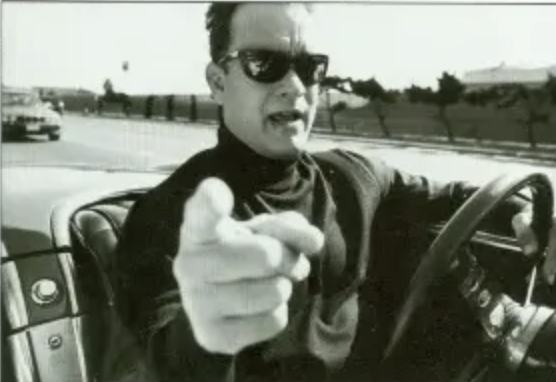
The Tom Hanks Phenomenon
1999
The New York Times
The Tom Hanks Phenomenon
 1998
The New Yorker
Entertainer-in-Chief
1998
The New Yorker
Entertainer-in-Chief
 1998
The New Yorker
The Yanni Files
1998
The New Yorker
The Yanni Files
 1998
The New York Times
Kids Are Us
1998
The New York Times
Kids Are Us
 1997
The New Yorker
The Origin of Alien Species
1997
The New Yorker
The Origin of Alien Species
 1997
The New Yorker
The Age of Unreason
1997
The New Yorker
The Age of Unreason
 1997
The New Yorker
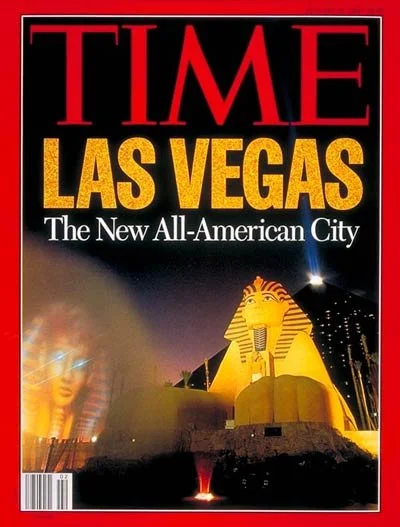
Las Vegas, U.S.A.
1997
The New Yorker
Las Vegas, U.S.A.
 1994
Time (cover story)
Big Mouths: Howard Stern & Rush Limbaugh
1994
Time (cover story)
Big Mouths: Howard Stern & Rush Limbaugh
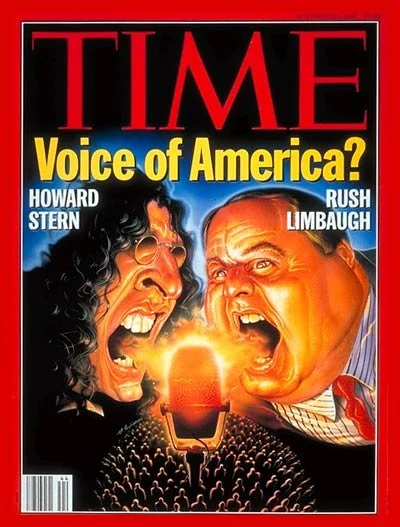 1993
Time (cover story)
Are Beavis and Butt-Head Arty?
1993
Time (cover story)
Are Beavis and Butt-Head Arty?
 1993
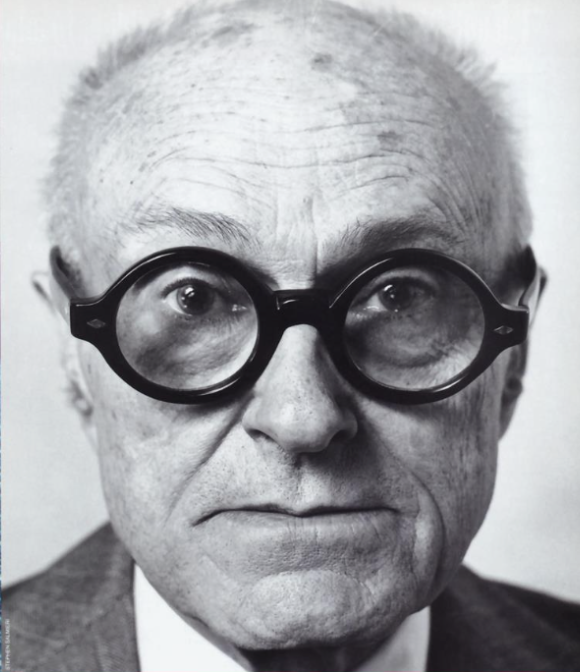
Time
Philip the GreatProfile of Philip Johnson
1993
Time
Philip the GreatProfile of Philip Johnson
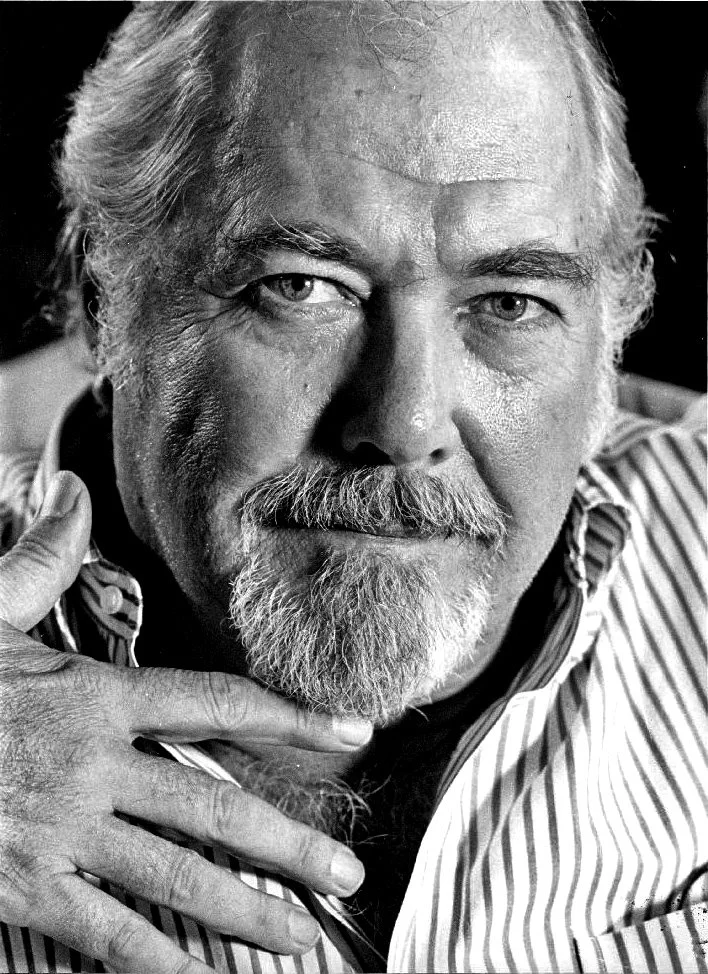
 1993
Vanity Fair
A Player Once AgainProfile of Robert Altman
1993
Vanity Fair
A Player Once AgainProfile of Robert Altman
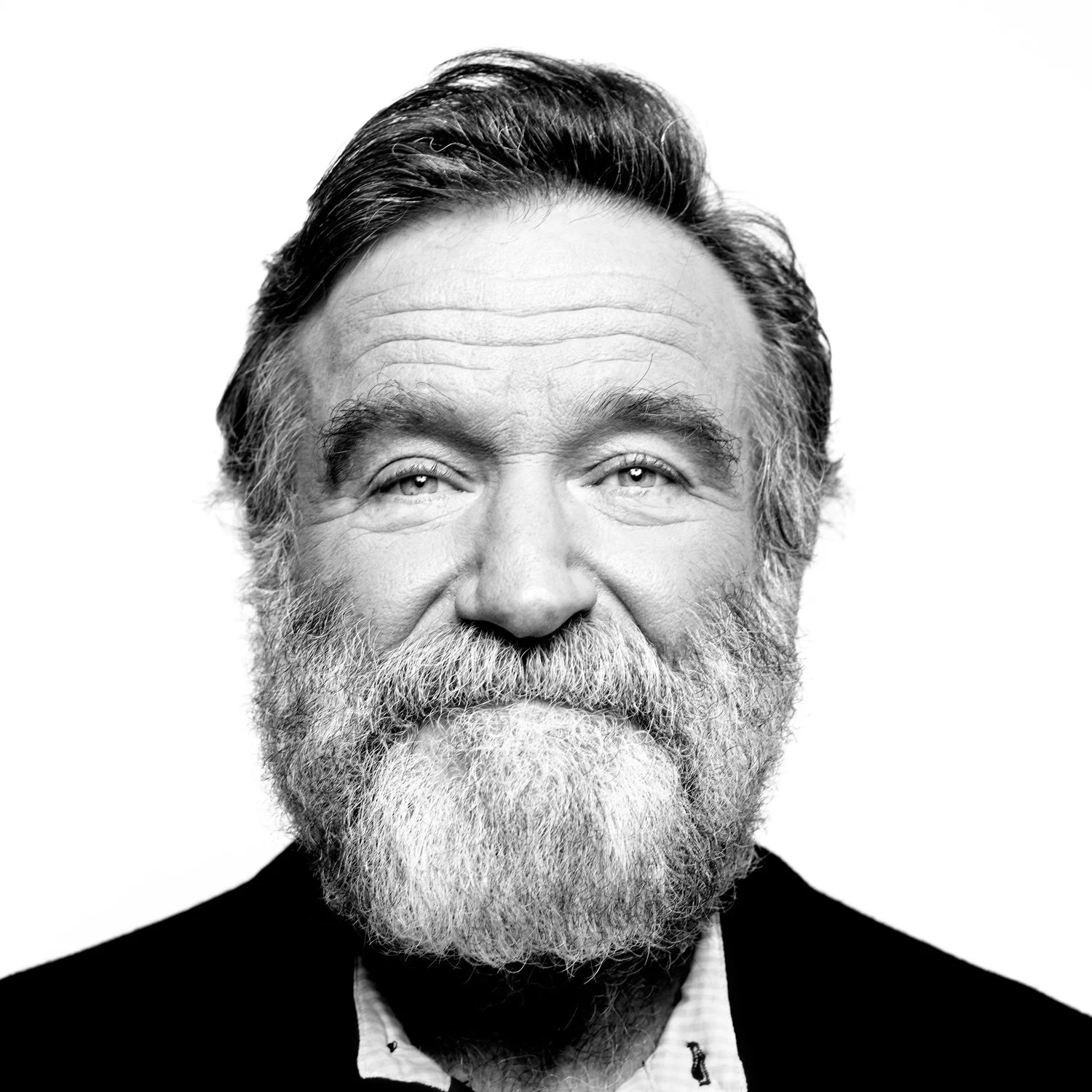
 1992
Time
A Peter Pan for YuppiesProfile of Robin Williams
1992
Time
A Peter Pan for YuppiesProfile of Robin Williams
 1991
Time
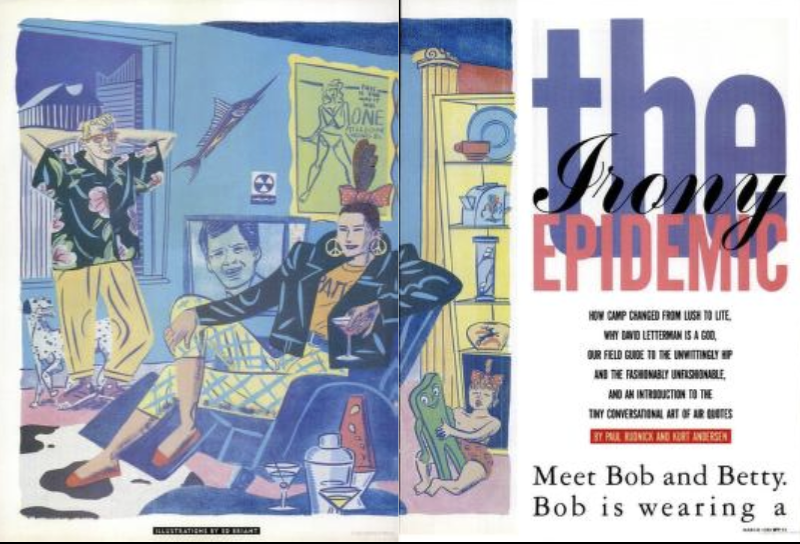
The Irony Epidemic
1991
Time
The Irony Epidemic
 1989
Spy
Design: The Allure of Darth Vaderism
1989
Spy
Design: The Allure of Darth Vaderism
 1986
Time
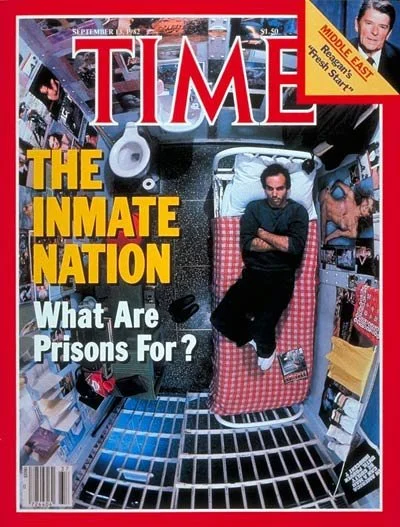
Inmate Nation: What are Prisons For?
1986
Time
Inmate Nation: What are Prisons For?
 1982
Time (cover story)
Imperial City
1982
Time (cover story)
Imperial City
 2004–2008
Index of links to all 62 columns in New York about culture and politics in the early 2000s.
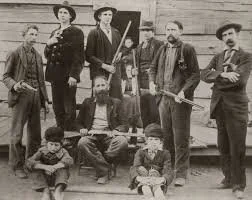
Appalachia: The Hatfields and McCoys
2004–2008
Index of links to all 62 columns in New York about culture and politics in the early 2000s.
Appalachia: The Hatfields and McCoys
 1981
Time
The Inner Game of CampaigningOr, How to Stay Ahead While Lagging Behind
1981
Time
The Inner Game of CampaigningOr, How to Stay Ahead While Lagging Behind
 1980
The New York Times
Doing the College HopHampshire, Haverford and Harvard, Too
1980
The New York Times
Doing the College HopHampshire, Haverford and Harvard, Too
 1971
The New York Times
Nixon at WarNarrator, writer, and co-producer
1971
The New York Times
Nixon at WarNarrator, writer, and co-producer
 2021
A seven-episode audio history of President Nixon’s conduct of the Vietnam War for its last six years and how that led to Watergate. The podcast draws from hundreds of hours of White House recordings and oral histories.
The World As You’ll Know ItHost of one season
2021
A seven-episode audio history of President Nixon’s conduct of the Vietnam War for its last six years and how that led to Watergate. The podcast draws from hundreds of hours of White House recordings and oral histories.
The World As You’ll Know ItHost of one season
 2021
A series of conversations with six thinkers about our social media and AI inflection points and the mixed prospects for the digital future.
Studio 360Host and co-creator
2021
A series of conversations with six thinkers about our social media and AI inflection points and the mixed prospects for the digital future.
Studio 360Host and co-creator
 2000–2020
Peabody Award-winning weekly public radio program and podcast consisting of interviews with artists, writers, filmmakers, musicians, designers, and scholars, and reported pieces about arts and culture and the creative process.
2000–2020
Peabody Award-winning weekly public radio program and podcast consisting of interviews with artists, writers, filmmakers, musicians, designers, and scholars, and reported pieces about arts and culture and the creative process.
The people Kurt interviewed on Studio 360 included: Chinua Achebe, Woody Allen, Robert Altman, Pedro Almodovar, Laurie Anderson, Judd Apatow, Margaret Atwood, Tony Bennett, Kathryn Bigelow, Björk, Ray Bradbury, Jeff Bridges, Albert Brooks, Mel Brooks, T-Bone Burnett, Tim Burton, David Byrne, James Cameron, Elliot Carter, Rosanne Cash, Michael Chabon, David Chase, Jimmy Cliff, Chuck Close, Stephen Colbert, Ry Cooder, Stewart Copeland, Sofia Coppola, Elvis Costello, David Cronenberg, Alan Cumming, Willem Dafoe, Matt Damon, Jonathan Demme, Joan Didion, Lena Dunham, Umberto Eco, Jennifer Egan, Dave Eggers, James Ellroy, Nora Ephron, Will Ferrell, Carrie Fisher, Jonathan Safran Foer, Richard Ford, Milos Forman, Jodie Foster, Jonathan Franzen, Ian Frazier, Morgan Freeman, Ricky Gervais, Frank Gehry, Paul Giamatti, William Gibson, Elizabeth Gilbert, Terry Gilliam, Vince Gilligan, Milton Glaser, Philip Glass, Paul Goldberger, Adam Gopnik, Sue Grafton, John Guare, Merle Haggard, Tom Hanks, Woody Harrelson, Ethan Hawke, Werner Herzog, Carl Hiaasen, A.M. Homes, Jeremy Irons, John Irving, Walter Isaacson, Pico Iyer, Angelina Jolie, Miranda July, Mindy Kaling, Maira Kalman, Charlie Kaufman, Diane Keaton, Jamaica Kincaid, Ben Kingsley, Barbara Kingsolver, Barbara Kruger, Lisa Kudrow, Tony Kushner, Spike Lee, Annie Leibovitz, Sean Lennon, Jhumpa Lahiri, k.d. lang, Ursula Le Guin, Elmore Leonard, Jonathan Lethem, Tracy Letts, Courtney Love, Baz Luhrmann, Patti Lupone, David Lynch, Yo-Yo Ma, Norman Mailer, Frank McCourt, Martin McDonagh, Ian McEwan, Bobby McFerrin, Larry McMurtry, David Milch, Jonathan Miller, Anthony Minghella, Susan Minot, Moby, Janelle Monae, Errol Morris, Walter Mosley, Toni Morrison, Azar Nafisi, Mira Nair, Randy Newman, Lawrence O’Donnell, Yoko Ono, Elaine Pagels, Gary Panter, Sarah Jessica Parker, Suzan-Lori Parks, Dolly Parton, Alexander Payne, Itzhak Perlman, Philippe Petit, Amy Poehler, Sarah Polley, Richard Powers, Richard Price, David Remnick, Paul Reubens, Robert Redford, Jason Reitman, Anne Rice, Robbie Robertson, James Rosenquist, Isabella Rossellini, Paul Rudd, Paul Rudnick, Salman Rushdie, George Saunders, Simon Schama, Ridley Scott, Julian Schnabel, Liev Schreiber, Amy Sedaris, Pete Seeger, William Shatner, Fiona Shaw, Gary Shteyngart, David Simon, Jane Smiley, Anna Deavere Smith, Patti Smith, Stephen Soderbergh, Barry Sonnenfeld, Susan Sontag, Regina Spektor, Art Spiegelman, Frank Stella, Michael Stipe, Tom Stoppard, Quentin Tarantino, Teller, Twyla Tharp, Paul Theroux, They Might Be Giants, Alex Timbers, Garry Trudeau, John Updike, Suzanne Vega, Robert Venturi and Denise Scott Brown, Gore Vidal, Sarah Vowell, Christopher Walken, Kerry Washington, Wendy Wasserstein, John Waters, Reggie Watts, Colson Whitehead, Wilco, Connie Willis, Wim Wenders, Kate Winslet, Jacqueline Woodson, Dwight Yoakam and Neil Young.
Watch & Listen to More
 2023
Stars Michael Cera, Liev Schreiber, Roy Woods Jr., Kevin Pollak and Chloe Radcliffe.
2023
Stars Michael Cera, Liev Schreiber, Roy Woods Jr., Kevin Pollak and Chloe Radcliffe.
“A playful and hilarious satire. The series is deadly serious, yet is the most gleefully entertaining comedy Soderbergh has made in decades.”
IndieWire
“Soderbergh and Andersen’s Command Z is a funny and pointed web series about wormholes, paradoxes, and transformative action.”
The Daily Beast

Ep. 1: The Room

Ep. 2: The Climate
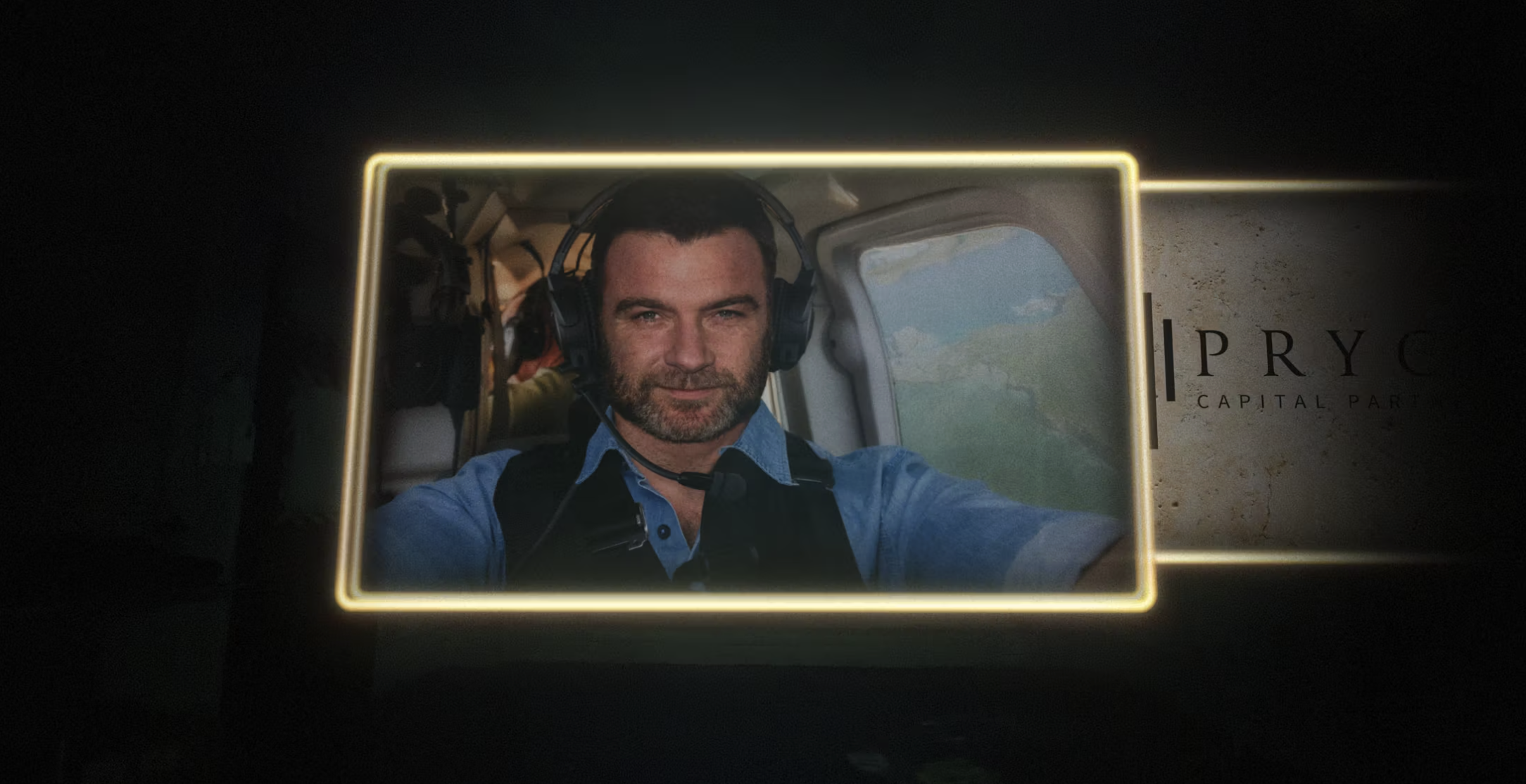
Ep. 3: The Pryce is Wrong

Ep. 4: The Pryce is Wrong II

Ep. 5: Antisocial Media

Ep. 6: The Climate II

Ep. 7: Preach

Ep. 8: Back for the Future
Press
 1995–1996
A piece of “verbatim theater,” ninety minutes of sketches drawn from real-life transcripts, theatricalized and turned into comedy. Long off-Broadway runs in New York and Los Angeles in the 1990s starring Bebe Neuwirth, Robert Morse, Buck Henry, Martin Mull, Harry Shearer and Andy Richter.
Spy TVWriter and executive producer
1995–1996
A piece of “verbatim theater,” ninety minutes of sketches drawn from real-life transcripts, theatricalized and turned into comedy. Long off-Broadway runs in New York and Los Angeles in the 1990s starring Bebe Neuwirth, Robert Morse, Buck Henry, Martin Mull, Harry Shearer and Andy Richter.
Spy TVWriter and executive producer
 1990–1992
Spy magazine made two prime-time specials and a series pilot for NBC.
1990–1992
Spy magazine made two prime-time specials and a series pilot for NBC.
 2006–2009
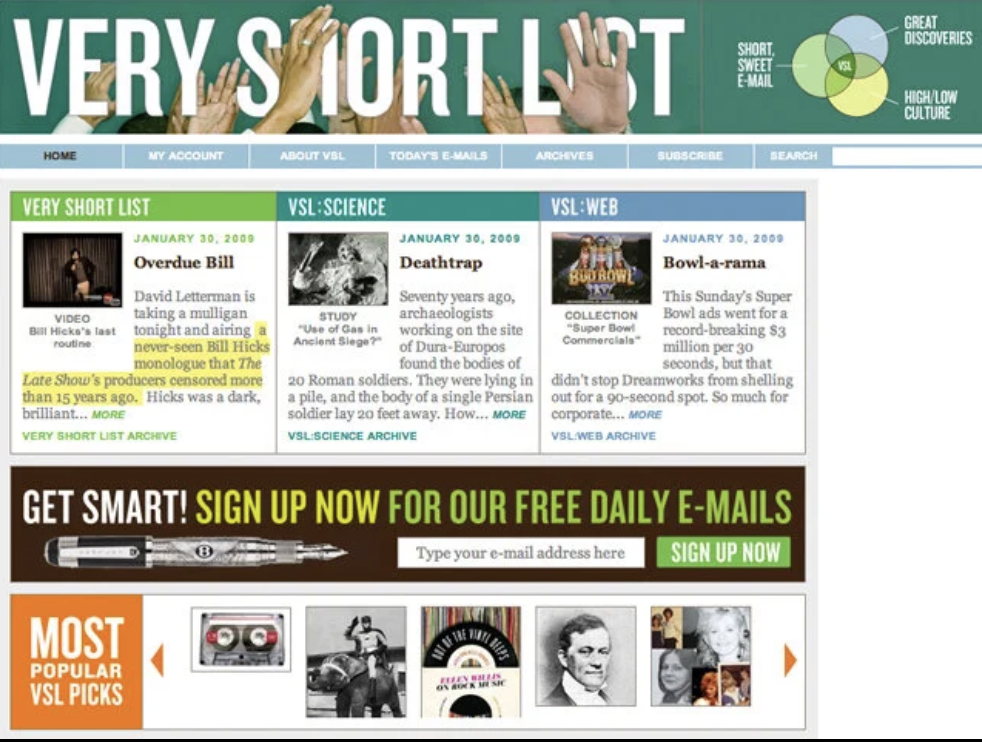
Co-founded with TV executive Michael Jackson and designer Bonnie Siegler. A daily email newsletter recommending one excellent, often overlooked cultural product to hundreds of thousands of subscribers.
ColorsEditorial director
2006–2009
Co-founded with TV executive Michael Jackson and designer Bonnie Siegler. A daily email newsletter recommending one excellent, often overlooked cultural product to hundreds of thousands of subscribers.
ColorsEditorial director
 2004–2005
Editorial director of four quarterly issues of Colors magazine, founded in 1991 by the great Tibor Kalman with Oliviero Toscani to cover global culture.
Inside.comCo-founder
2004–2005
Editorial director of four quarterly issues of Colors magazine, founded in 1991 by the great Tibor Kalman with Oliviero Toscani to cover global culture.
Inside.comCo-founder
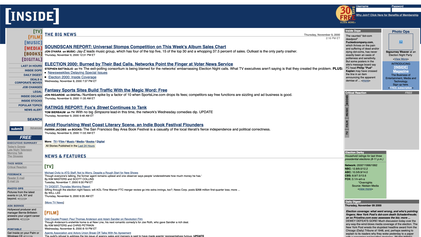 1999–2001
The first digitally native news publication covering the entertainment and media businesses, with an associated biweekly print magazine. Co-founded with Michael Hirschorn and Deanna Brown.
New YorkEditor-in-chief, 1994–1996
1999–2001
The first digitally native news publication covering the entertainment and media businesses, with an associated biweekly print magazine. Co-founded with Michael Hirschorn and Deanna Brown.
New YorkEditor-in-chief, 1994–1996
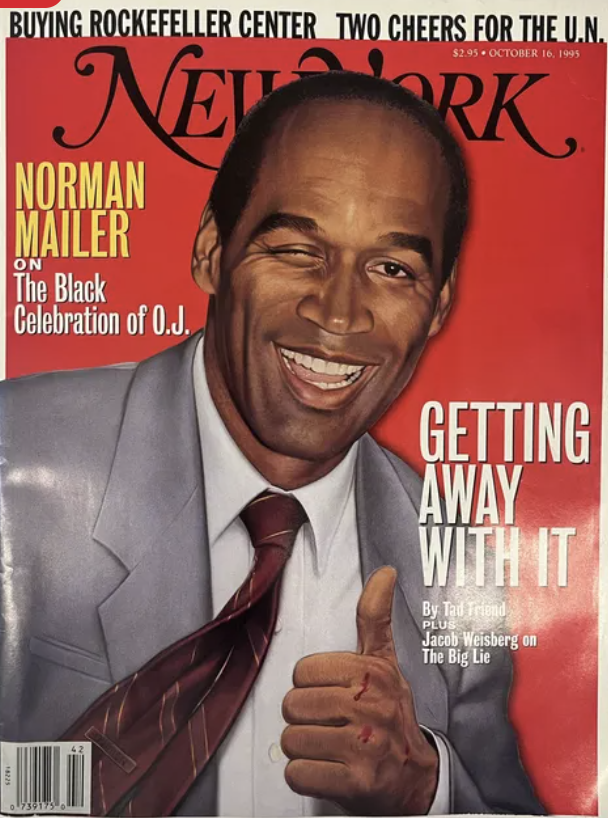 1994–1996
After presiding over increases in circulation and advertising and profits and impact, he was fired because the magazine had gotten too inconvenient for its coverage of the owner’s business, social and political associates.
SpyCo-founder
1994–1996
After presiding over increases in circulation and advertising and profits and impact, he was fired because the magazine had gotten too inconvenient for its coverage of the owner’s business, social and political associates.
SpyCo-founder
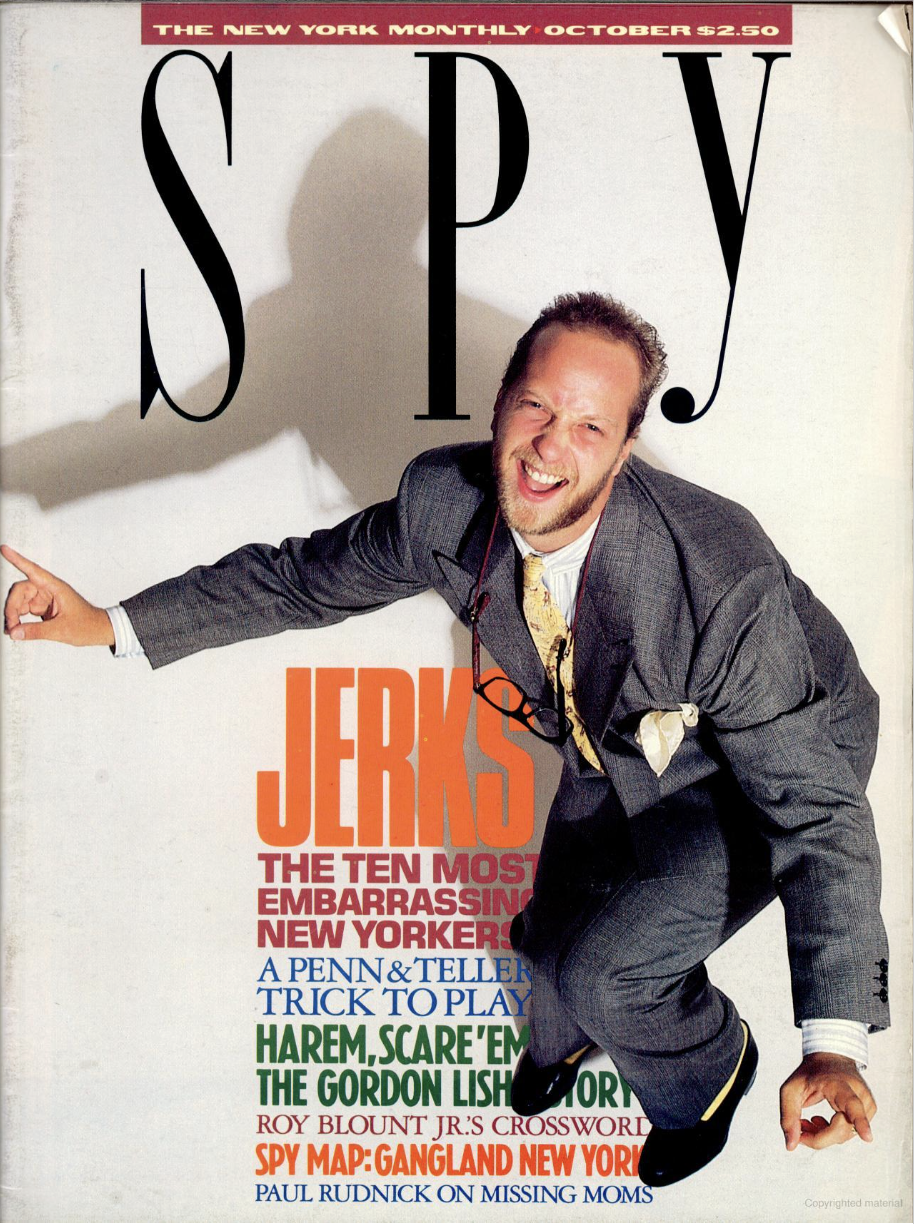 1986–1993
In 1986 Kurt Andersen co-founded Spy magazine with Graydon Carter and publisher Tom Phillips. It was a defining magazine of its era.
1986–1993
In 1986 Kurt Andersen co-founded Spy magazine with Graydon Carter and publisher Tom Phillips. It was a defining magazine of its era.
“Spy was one of ‘a handful of 20th-century American magazines whose glory days continue to influence editors,’ and ‘not only grabbed the zeitgeist but shaped it.’”
Jack Shafer, The New York Times Book Review
“Spy didn’t capture the zeitgeist—it was the zeitgeist,” “deliciously vicious” and “beloved by the people who worked for them and despised by all the right people, primus inter pares, Donald Trump.”
Christopher Buckley, The New York Times
“It’s pretty safe to say that Spy was the most influential magazine of the 1980s. It might have remade New York’s cultural landscape; it definitely changed the whole tone of magazine journalism. It was cruel, brilliant, beautifully written and perfectly designed, and feared by all. There’s no magazine I know of that’s so continually referenced, held up as a benchmark; and whose demise is so lamented.”
Dave Eggers
In 2016 Forbes called the magazine’s motto—Smart. Fun. Funny. Fearless.—the fourth best marketing tagline in history. In 2017 in the London Review of Books Sidney Blumenthal recalled Kurt’s imaginary novel about Trump, 1999: Casinos of the Third Reich, which appeared serially in Spy.
Forbes & Sidney Blumenthal, London Review of Books